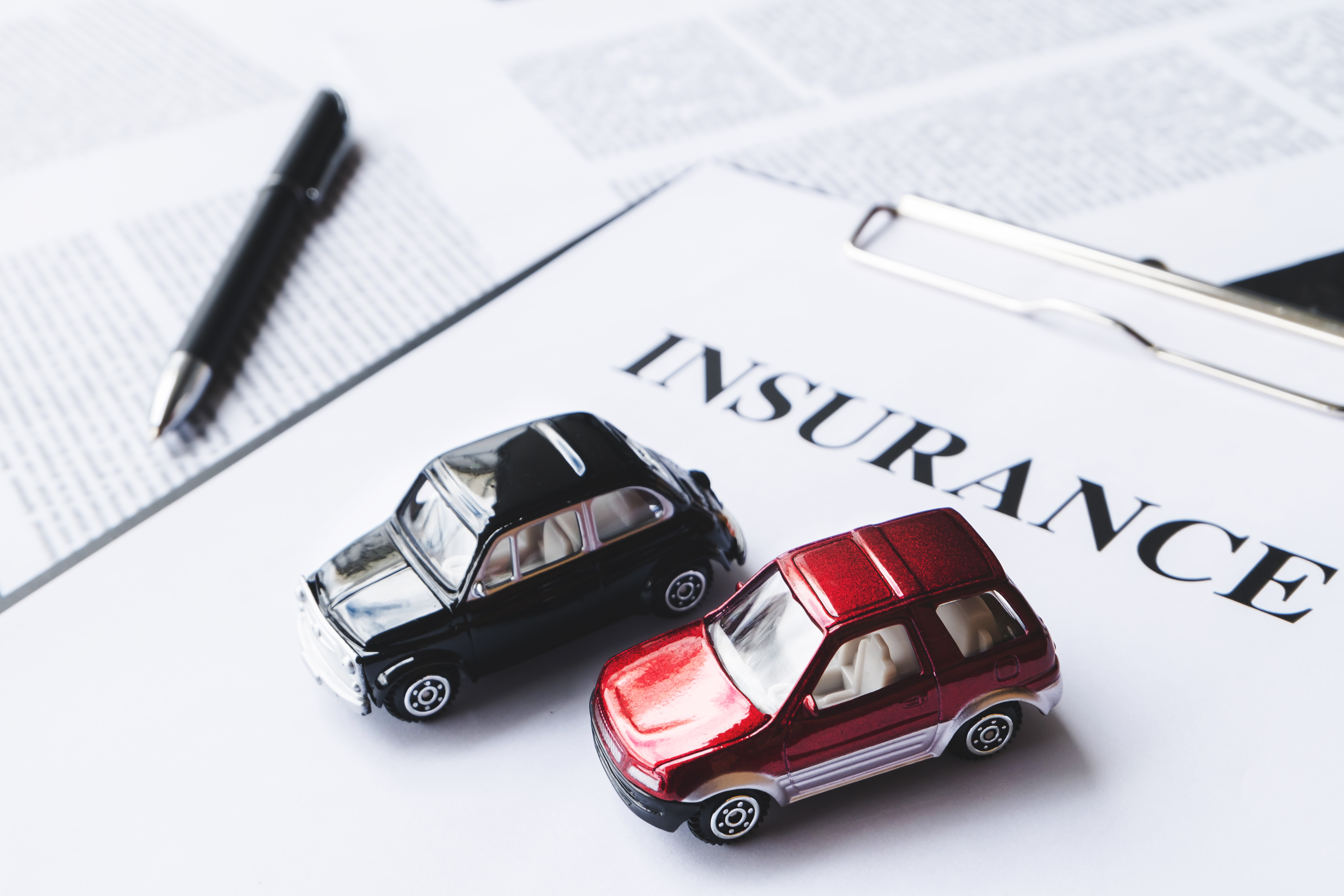
Liability insurance covers damages caused to others during an at-fault accident, but it leaves the policyholder’s own vehicle unprotected. Kessler emphasizes that what the industry often terms 'full coverage'—a combination of liability, collision, and comprehensive policies—serves as a necessary safeguard for those seeking broader security. Collision coverage addresses repairs after hitting another vehicle or object, while comprehensive insurance acts as a shield against non-collision events like theft, fire, or vandalism.
Beyond basic property protection, Kessler highlights the critical role of uninsured and underinsured motorist coverage. Given that some motorists operate with only minimal limits or no insurance at all, these provisions prevent drivers from shouldering unexpected financial burdens after a major accident. Choosing the right coverage requires balancing vehicle age, financing status, and individual risk tolerance rather than settling for a one-size-fits-all plan. As financial circumstances or household drivers change, periodic policy reviews ensure that coverage remains aligned with current needs, turning insurance from a simple renewal task into an active component of long-term financial planning.


Comments (0)
No comments yet. Be the first!