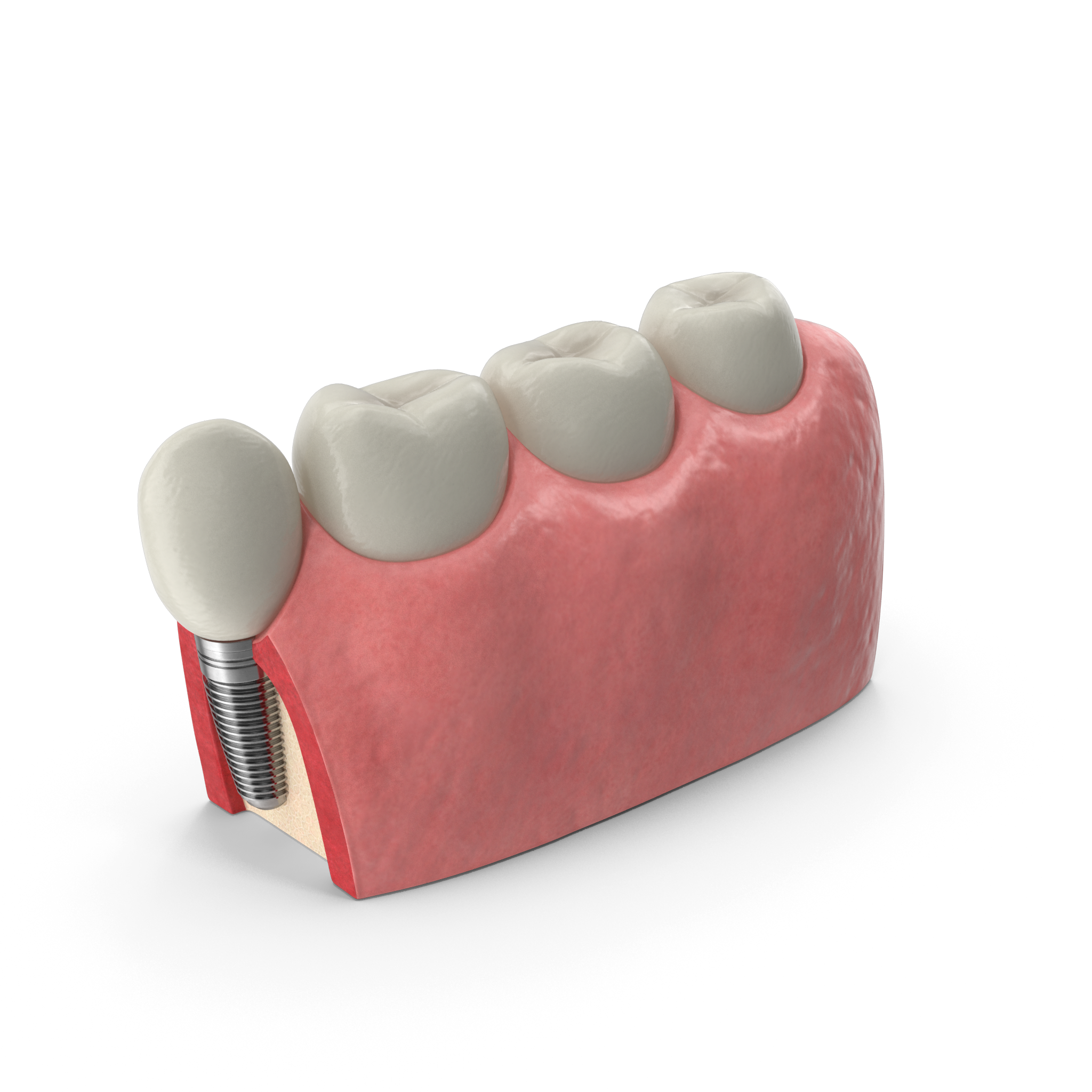
Success for dental implants begins with the condition of the gums. Gum disease, often linked to systemic issues like heart disease, must be managed before surgery to ensure a stable foundation. While bone loss is a common concern among those with missing teeth, modern grafting techniques allow dentists to rebuild jaw structure, making the procedure accessible even for those with significant prior degradation.
Age is rarely an absolute barrier to treatment; instead, a patient’s overall health and healing capacity take precedence. Conditions that compromise the immune system or untreated sleep apnea can complicate recovery, requiring dentists to coordinate closely with physicians. By utilizing biocompatible materials like titanium and composite resins, providers minimize the risk of rejection, ensuring the implants integrate safely with the body. Ultimately, the durability of an implant depends on a lifelong commitment to daily oral hygiene. Consistent brushing and flossing remain essential to prevent infection, underscoring that implants function best when integrated into a broader, proactive wellness strategy.


Comments (0)
No comments yet. Be the first!