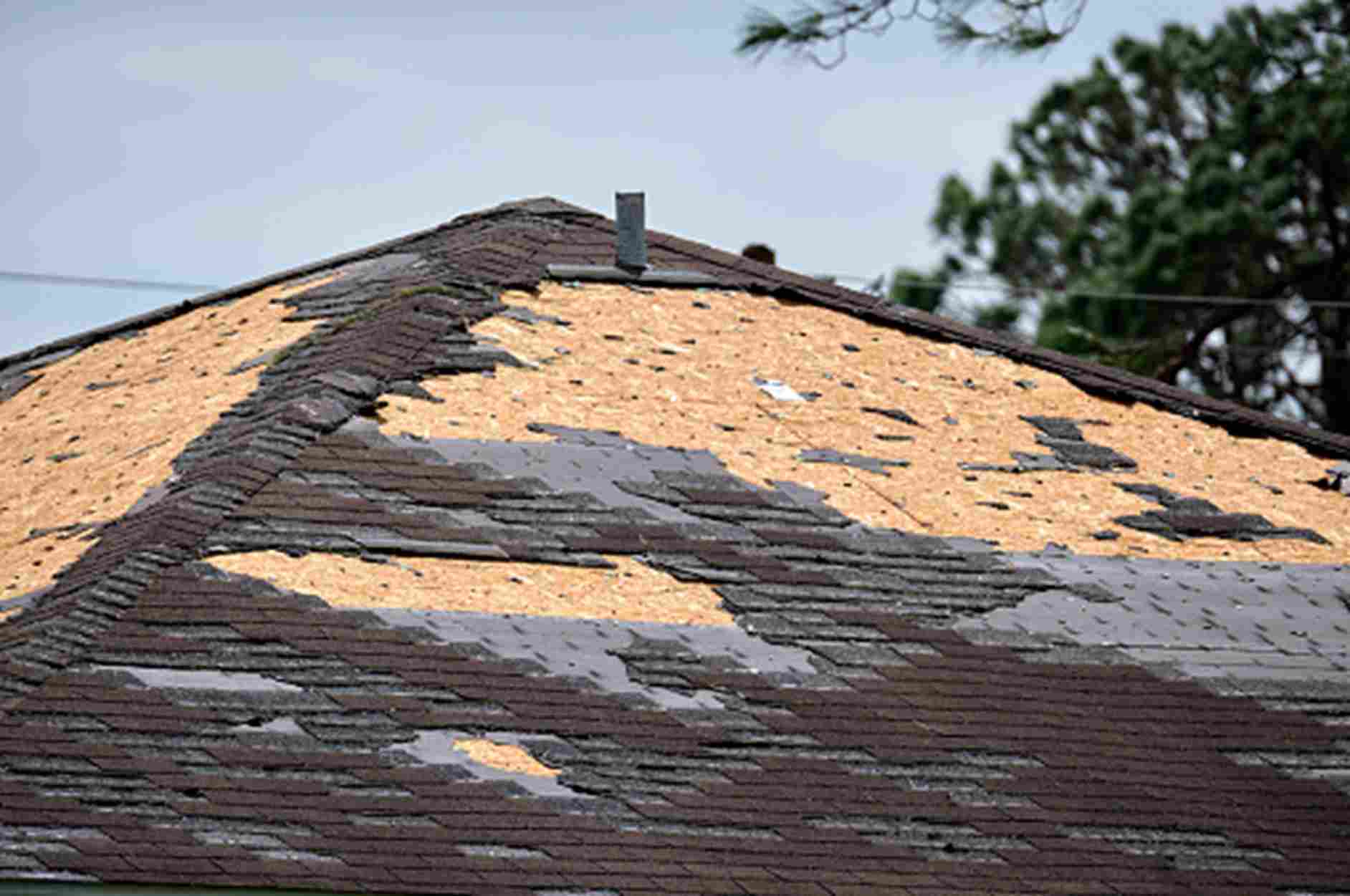
A systematic inspection begins by circling the property to view the roof from multiple angles. Homeowners should scan for missing, curled, or creased shingles, which are primary indicators that high winds have compromised the roof’s integrity. Beyond the shingles, pay close attention to metal components like flashing around chimneys and vents; if these sections appear dented or displaced, they likely no longer provide a watertight seal. Granule accumulation near downspouts or on driveways serves as another warning sign, suggesting that shingles have been weathered or impacted by debris.
Kolarik emphasizes that the exterior of the home often mirrors the roof’s condition. Dents on siding or sagging gutters frequently align with damage occurring at the roofline. Documenting these findings with clear photographs is a critical step, as this evidence streamlines communication should a professional inspection be required. While a ground-level check provides immediate insight, it is not a substitute for expert evaluation. If the inspection reveals exposed underlayment or significant structural gaps, contact a professional immediately to prevent further water intrusion and interior damage.



Comments (0)
No comments yet. Be the first!