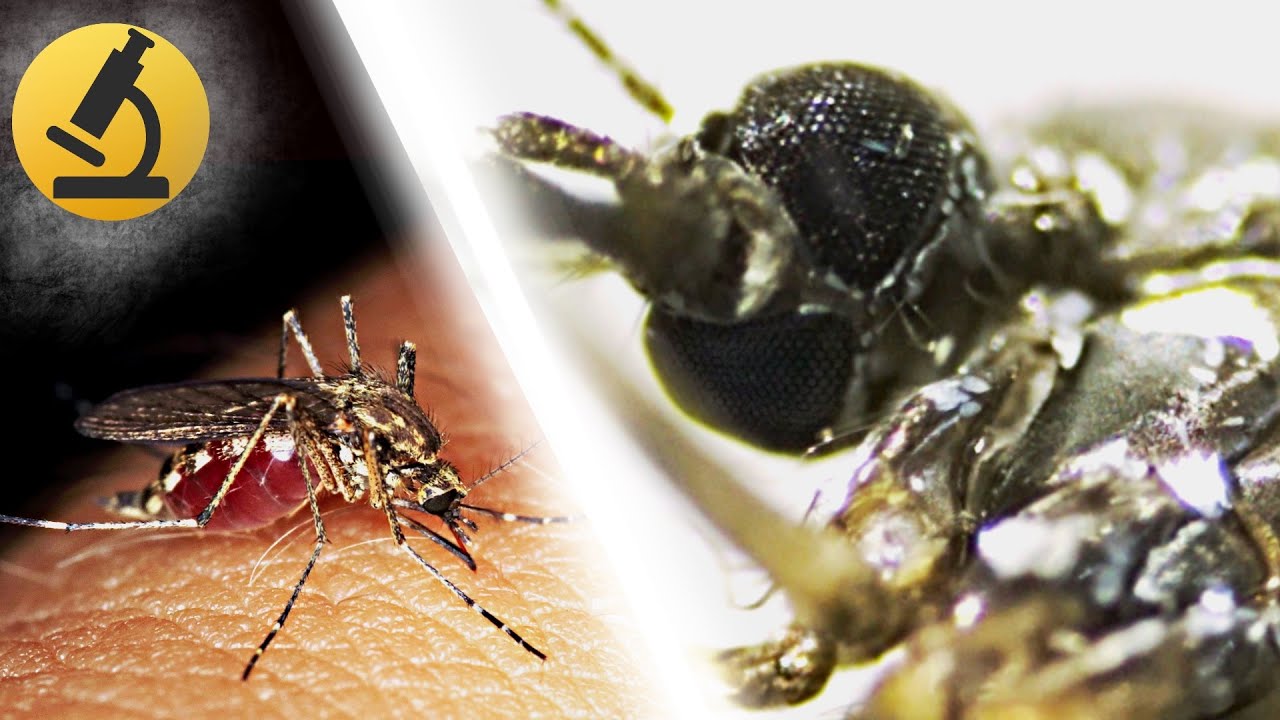
Researchers tested 119 volunteers against three of the world’s most dangerous mosquito species—Aedes aegypti, Aedes albopictus, and Culex quinquefasciatus—and discovered that attraction is entirely species-specific. While Aedes aegypti preferred individuals lacking certain volatile compounds, the Asian tiger mosquito was drawn to elevated ketones. The southern house mosquito, a nocturnal feeder, focused instead on the unique bacterial ecosystem of an individual's skin microbiome.
Lead researcher Matthew DeGennaro and Ph.D. student Kaylee Marrero found that these species have evolved distinct ways to decode human scent, which consists of over 1,000 volatile organic compounds. By identifying the specific chemical "green lights" that trigger feeding for each species, the team is moving toward developing targeted, next-generation repellents. These findings could fundamentally shift how public health officials combat diseases like Zika, dengue, and West Nile by allowing for localized strategies tailored to the specific mosquitoes present in a region.



Comments (0)
No comments yet. Be the first!