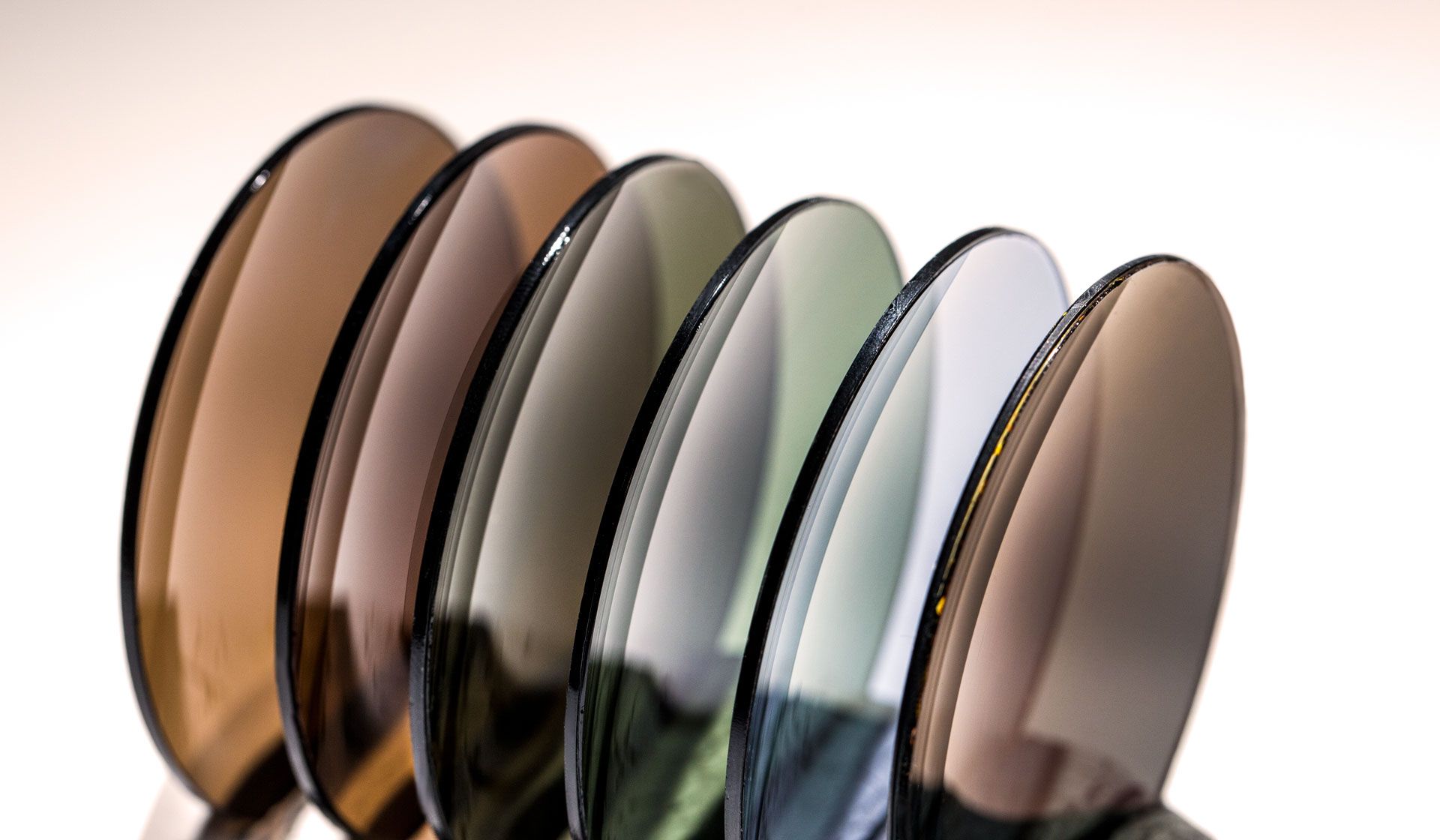
While traditional plastic remains a staple for many, modern optical technology offers a spectrum of materials designed to address specific needs. High-index lenses, for instance, bend light more efficiently, allowing those with stronger prescriptions to avoid the bulk and weight of conventional glass or plastic. Smith notes that frame selection is equally critical; larger frames often exacerbate lens thickness, making a coordinated approach to choosing both the frame and the lens essential for comfort and aesthetics.
Durability and specialized treatments further refine the final product. Polycarbonate lenses offer impact resistance for athletes and children, while coatings—such as anti-reflective layers and scratch-resistant finishes—can significantly alter daily optical performance. For those requiring correction at multiple distances, the choice between progressive lenses and traditional bifocals often comes down to personal comfort and the specific demands of a user’s work or hobby environment. Ultimately, because lifestyle needs evolve, Smith suggests that patients treat every new pair of glasses as an opportunity to reassess which combination of materials and coatings provides the most practical value.



Comments (0)
No comments yet. Be the first!