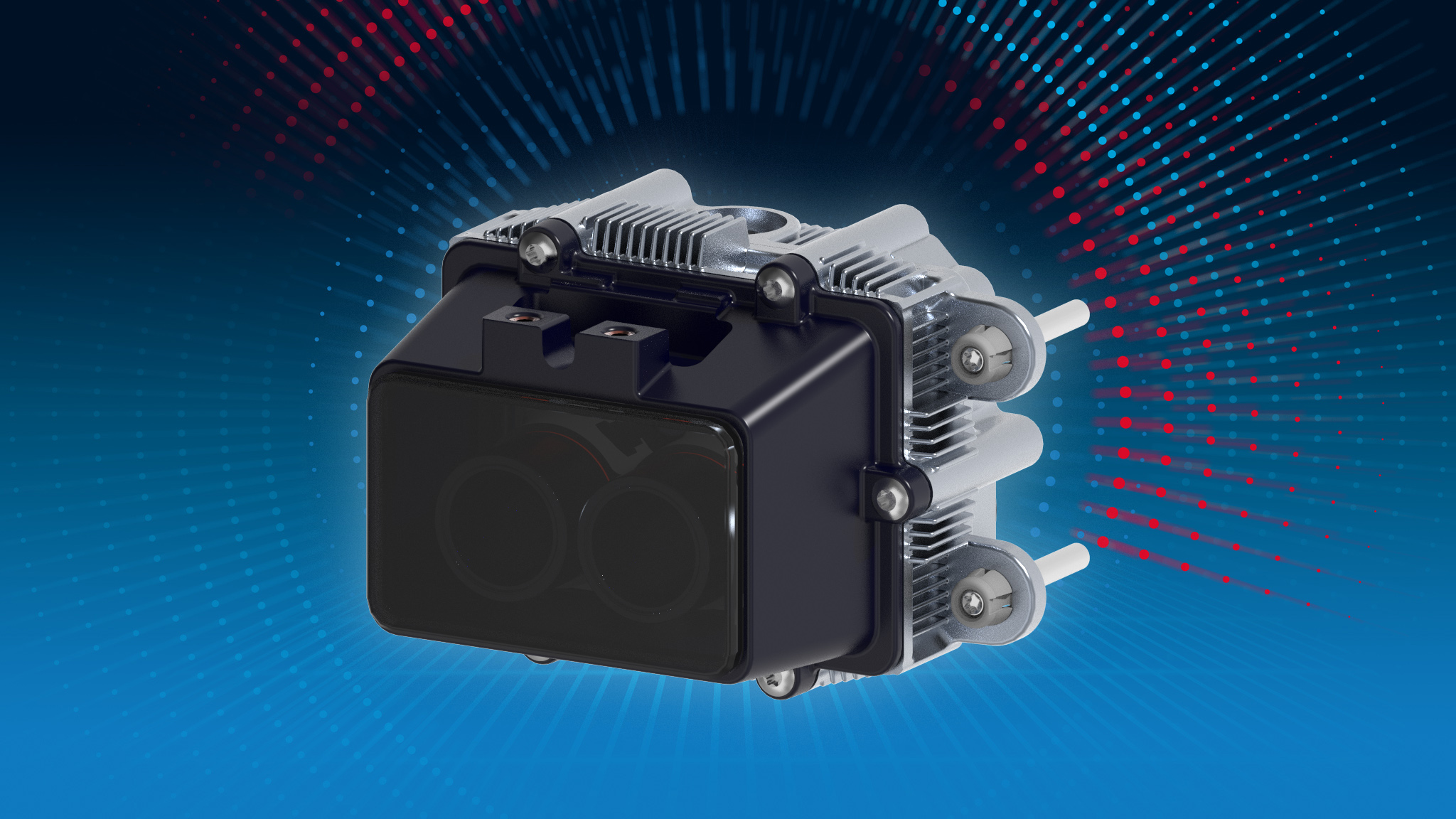
As manufacturers transition from experimental autonomous pilots to commercially scalable platforms, the demand for precision sensing has intensified. LiDAR technology is becoming a staple in premium vehicle segments and electric vehicle architectures, where centralized computing makes sensor integration both easier and more effective. Manufacturers like Mercedes-Benz, BMW, and NIO are increasingly embedding these systems into their production portfolios, signaling a move beyond niche applications toward mass-market commercialization.
Battery electric vehicles are expected to lead this growth, benefiting from designs that allow for flexible sensor placement and robust power management. Simultaneously, the industry is standardizing on 3D LiDAR architectures to achieve the spatial resolution required for complex urban navigation and high-speed highway driving. While North America remains a critical hub for innovation, with major players like General Motors scaling hands-free driving capabilities, global competition among suppliers such as Hesai Group, RoboSense, and Valeo is driving down costs and improving the integration of these sensors into modern vehicle platforms.


Comments (0)
No comments yet. Be the first!