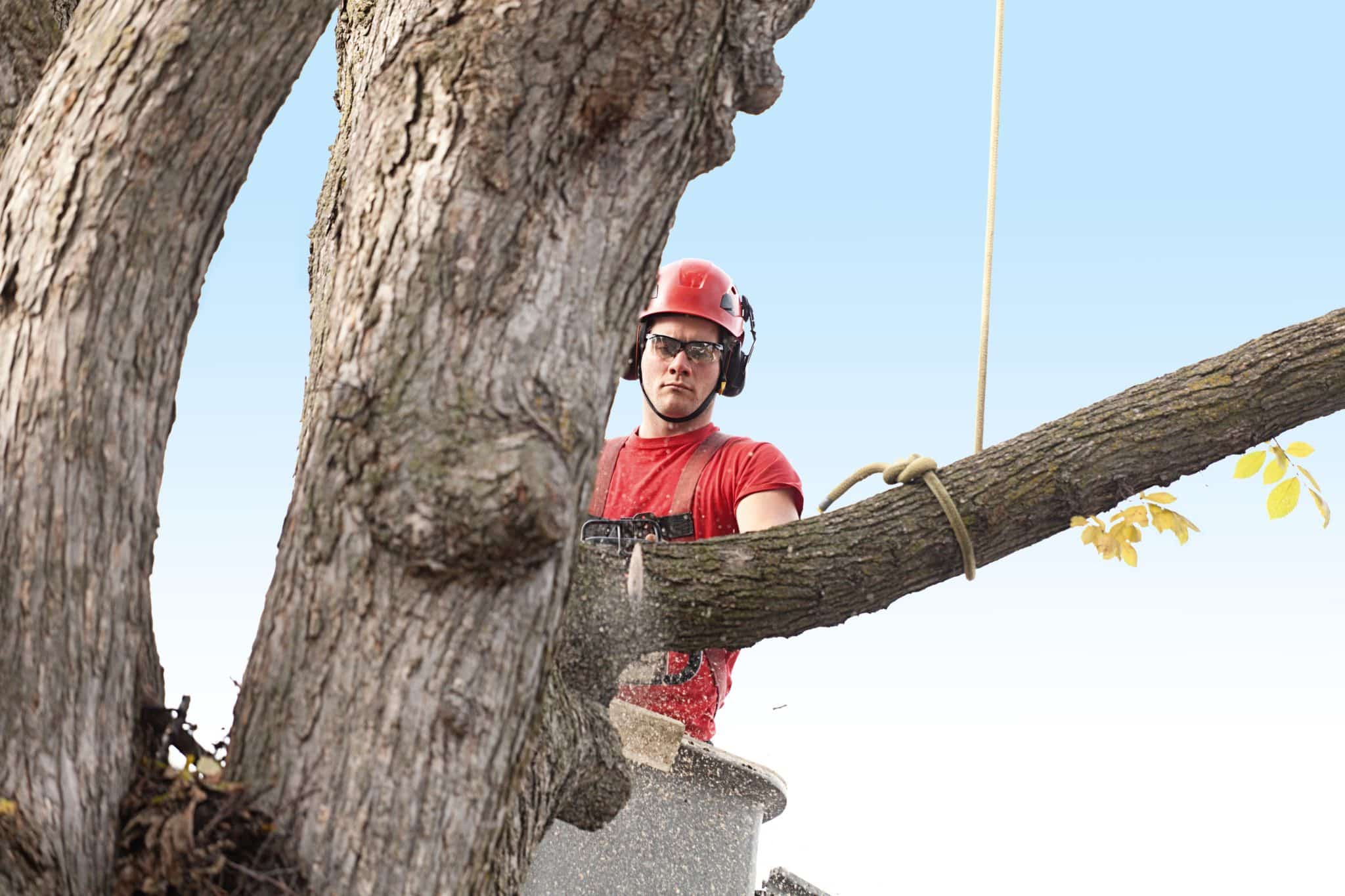
Tree topping involves cutting branches back to stubs, a process that removes the upper canopy and leaves behind large, vulnerable wounds. These cuts are difficult for a tree to seal, creating entry points for pests and moisture that lead to internal rot. While the intent may be to reduce height, the result is often a cycle of stress that forces the tree to push out weak, rapid-growth shoots. These new limbs lack strong attachments and are prone to snapping during the heavy winds and winter snow common in Niagara County.
In contrast, structural pruning focuses on the biology of the tree. By removing only dead, diseased, or poorly placed limbs, arborists like Lindke guide growth rather than forcing it. This method maintains the integrity of the canopy, improves airflow, and allows the tree to develop a sturdier, more resilient structure. Rather than a quick cosmetic fix, professional pruning acts as a long-term investment in property safety. Homeowners who prioritize expert assessment over aggressive cutting ensure their trees remain healthy assets rather than becoming hazards during the next storm.



Comments (0)
No comments yet. Be the first!