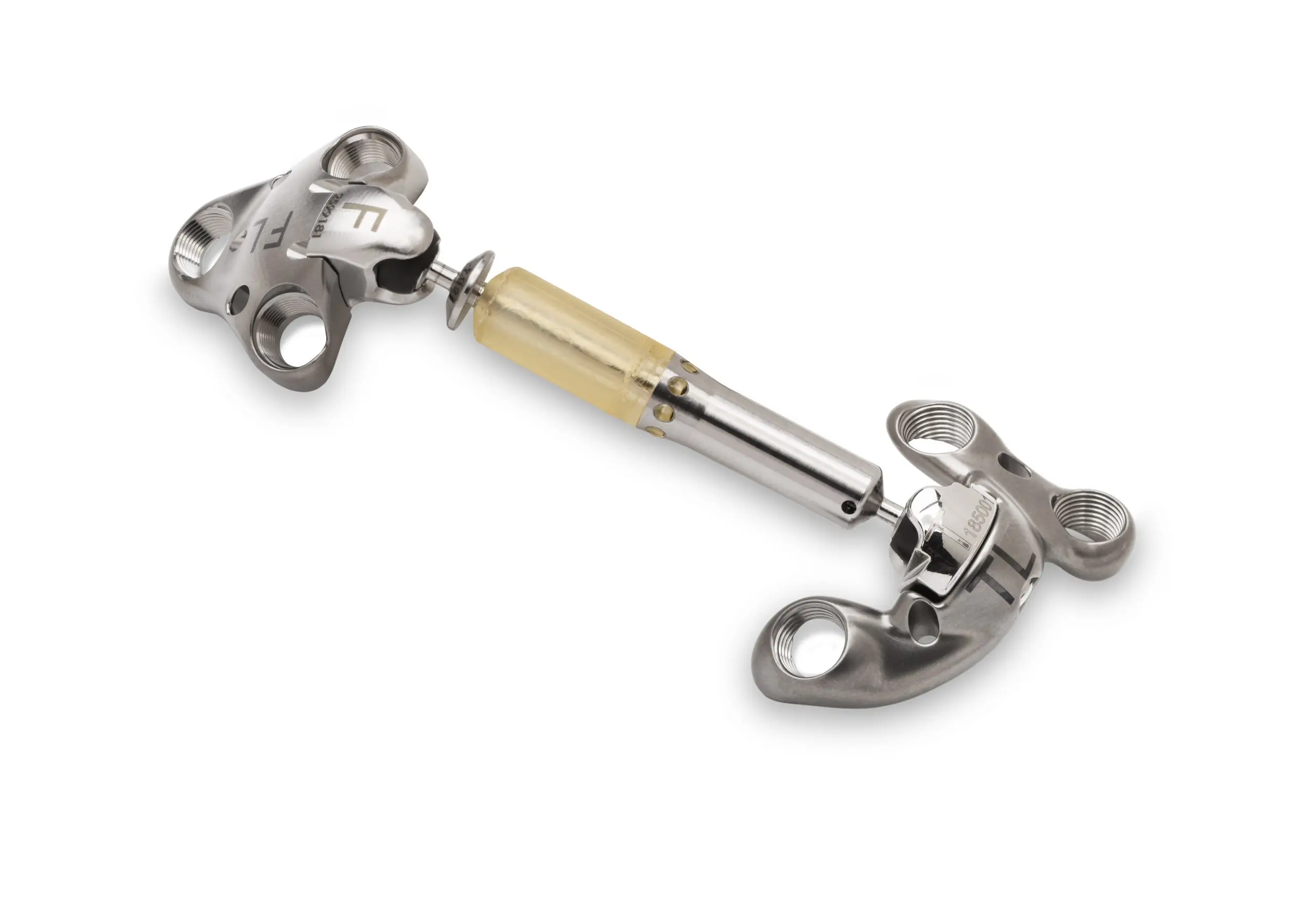
The research, which followed 81 patients through the pivotal IDE study, highlights the device's ability to maintain functional improvements long after the initial procedure. Participants in the study, all of whom had previously failed non-surgical treatments for medial knee osteoarthritis, demonstrated an 86% improvement in function at the five-year mark. Furthermore, 90% of those treated successfully delayed or avoided the need for total joint arthroplasty or high tibial osteotomy during the observation period.
Medical experts emphasize that the system’s design—which reduces peak force on the joint by approximately 30% with every step—allows patients to resume high-impact activities like running and tennis without the restrictions often associated with traditional joint replacement. Dr. Anil S. Ranawat of the Hospital for Special Surgery noted that the rigor of these long-term results establishes the MISHA system as a safe and effective bridge for patients who are not yet candidates for, or are unwilling to undergo, end-stage surgical interventions.


Comments (0)
No comments yet. Be the first!