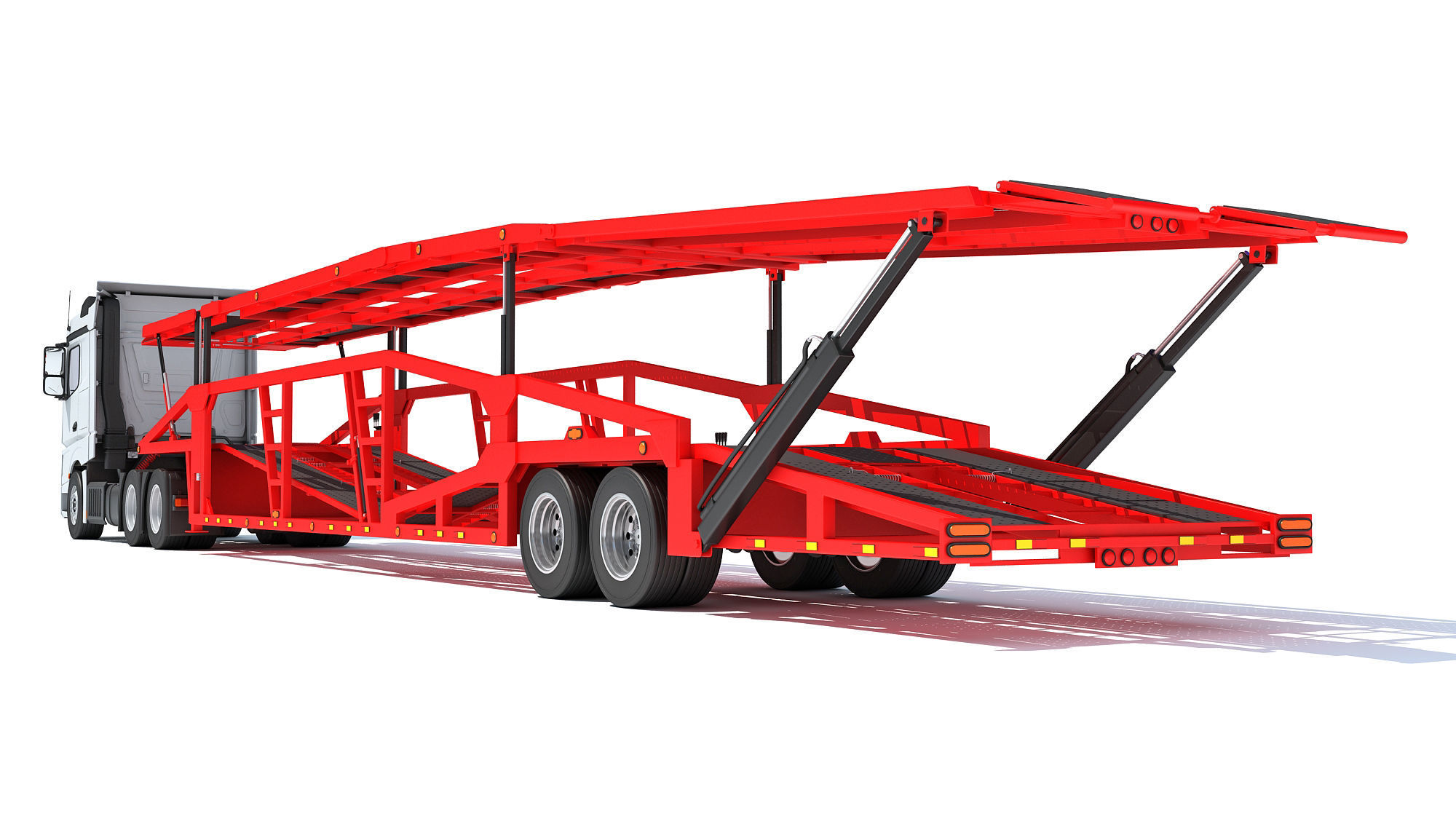
Shipping a vehicle involves more than just selecting the lowest quote. Distance remains the primary cost driver, as longer hauls necessitate higher fuel consumption and more driver hours. Beyond mileage, the physical footprint of the vehicle dictates the price; compact cars cost less to transport than SUVs or trucks because they occupy less space on a carrier trailer. The choice between open and enclosed transport also shifts the final bill, with enclosed options providing premium protection for luxury or classic models at a substantial price increase.
Timing and market conditions often catch first-time shippers by surprise. Rates fluctuate significantly based on seasonal demand, particularly during peak summer months and the annual snowbird migration. Carriers also adjust their fees to mirror rising diesel prices, making current market trends a reliable indicator of potential costs. Furthermore, owners must account for the weight of personal belongings left in the vehicle, as exceeding the standard hundred-pound limit frequently triggers extra fees and risks items falling outside of carrier insurance coverage.
To secure a fair rate, Franzese emphasizes the necessity of comparing multiple estimates. Discrepancies between quotes often stem from service differences, such as door-to-door delivery versus terminal drop-offs. Scrutinizing the specific inclusions of each offer prevents common pitfalls and ensures the quoted price aligns with the actual level of service provided. By maintaining flexibility with pickup windows and verifying the details of every contract, vehicle owners can establish a realistic budget and avoid predatory pricing.


Comments (0)
No comments yet. Be the first!