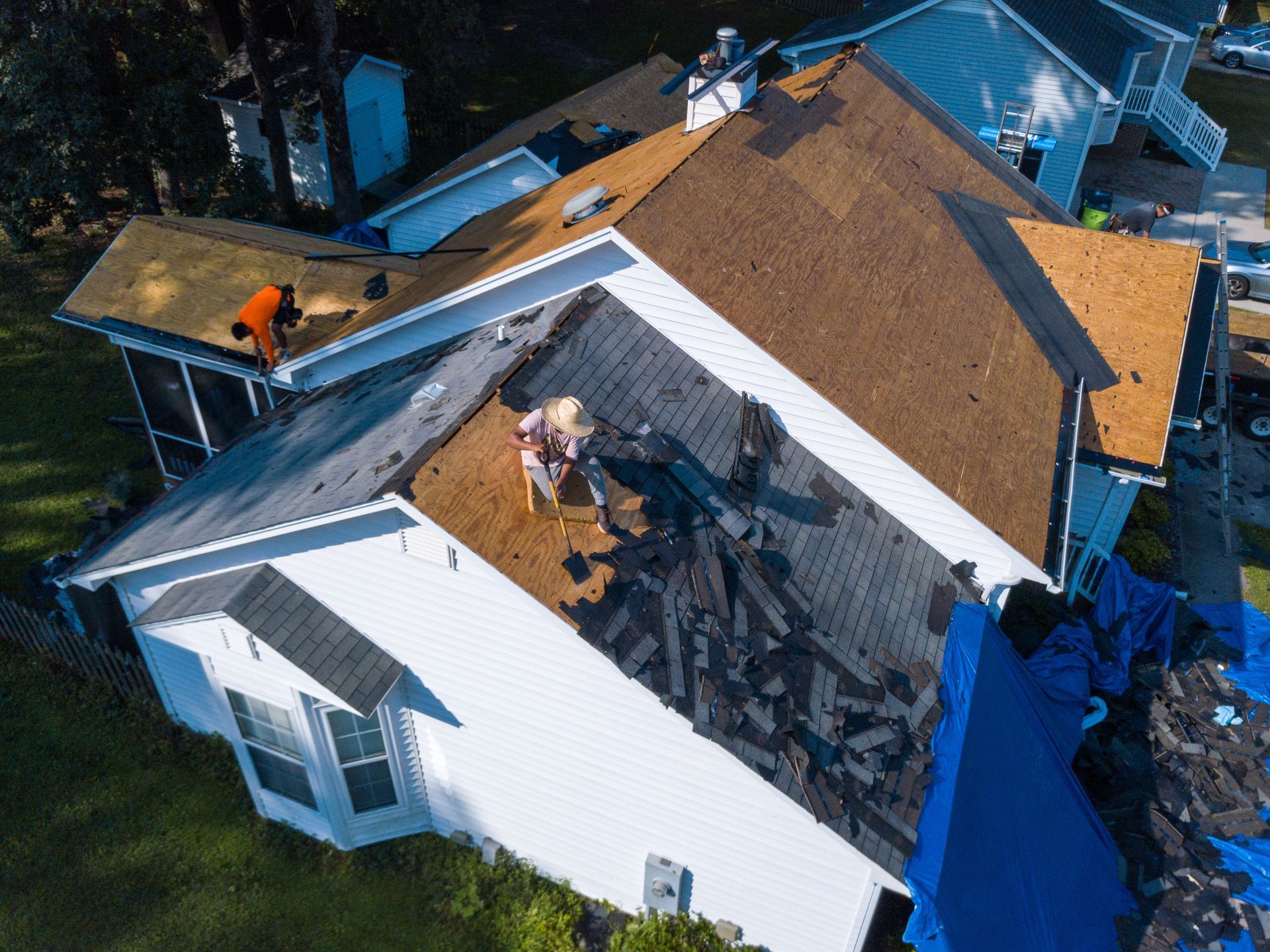
The duration of a roofing project hinges on several technical variables. Home size remains the primary driver of speed; while smaller, straightforward structures can often be completed in a single day, larger homes with intricate designs—featuring multiple valleys, angles, or skylights—demand significantly more labor hours. Furthermore, the pitch of the roof dictates the pace of work. Steeper inclines necessitate heightened safety protocols, forcing crews to operate with greater caution, which naturally slows the installation process compared to flatter surfaces.
Material selection also dictates the efficiency of the job. Asphalt shingles are favored for their rapid application, whereas premium materials like slate, tile, or metal require specialized installation techniques that extend the project timeline. Beyond these structural elements, the reality of the work involves extensive preparation, including the removal of old materials and the inspection of the underlying decking. If structural damage is uncovered during the tear-off phase, repairs will inevitably push back the completion date. Jason Mester emphasizes that homeowners should account for these hidden variables and maintain flexibility, particularly regarding weather. Rain and high winds remain the most frequent causes of project delays, as crews must prioritize safety over speed to ensure both the house and the workers remain secure.



Comments (0)
No comments yet. Be the first!