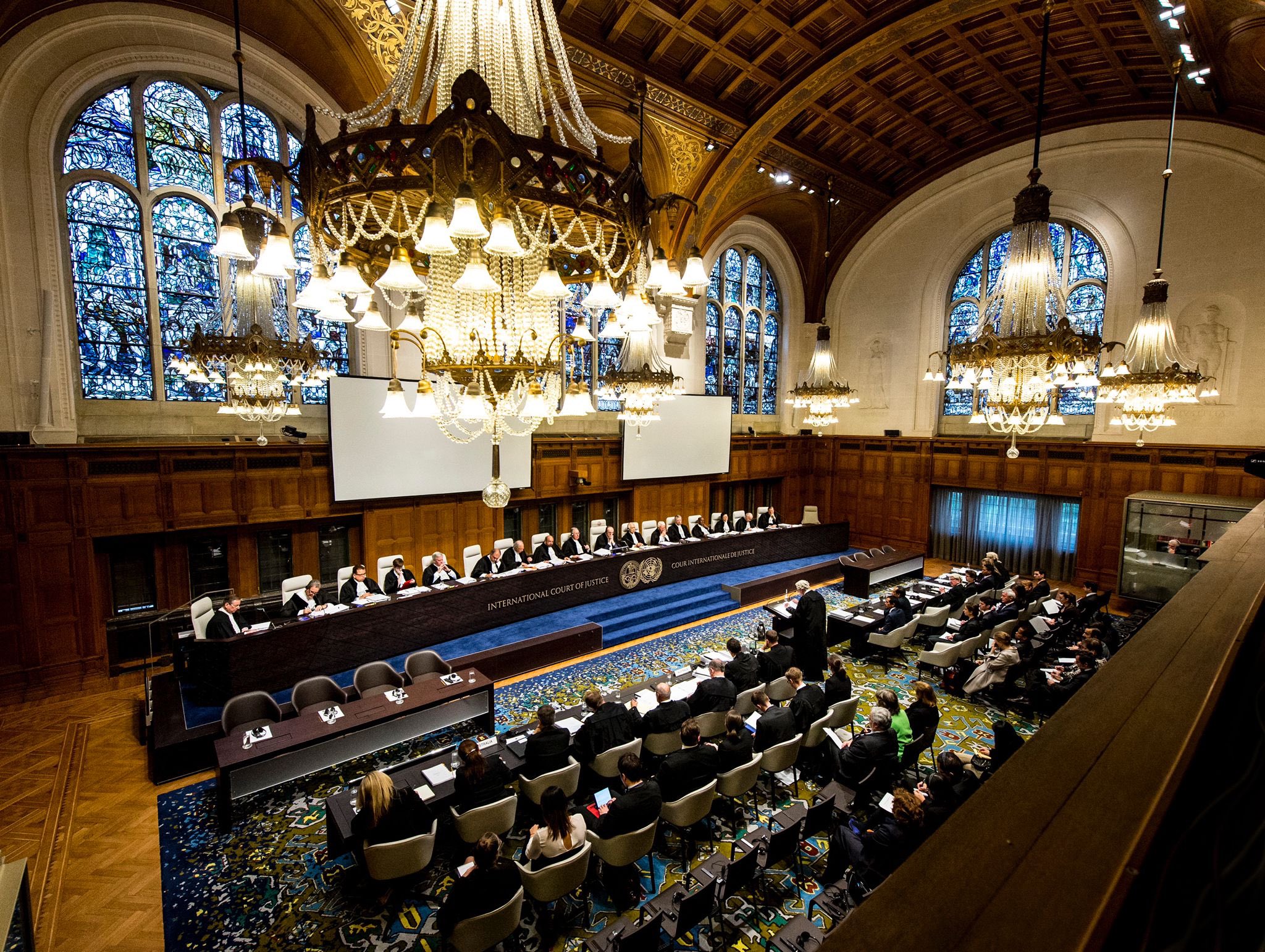
The tribunal’s directive, passed by a 15-1 vote with Israeli Ad-Hoc Judge Aharon Barak dissenting, requires Israel to cooperate fully with the United Nations to ensure basic services—including food, water, medical supplies, and sanitation—reach Palestinians at scale. The court cited "exceptionally grave" developments, specifically the deaths of at least 31 people from malnutrition and dehydration, as the justification for modifying its January 26 ruling.
South Africa, which initiated the genocide proceedings, requested the intervention following reports of starvation and the systematic obstruction of aid convoys. On the same day the order was issued, five-year-old Mohammed Naeem al-Najar died of malnutrition at Kamal Adwan Hospital in northern Gaza, a region where Israel continues to block UNRWA supply lines. While Israel rejects claims that starvation is a result of its deliberate policy, the court found sufficient evidence of a shifting situation to warrant urgent legal intervention.
International pressure is mounting as more than 30 nations, including Ireland, have moved to support the case. These legal developments coincide with a draft UN Human Rights Council report finding reasonable grounds to believe Israel is committing genocide, and a Security Council resolution demanding an immediate cease-fire. Since October 7, the conflict has claimed at least 32,552 Palestinian lives, with nearly 90% of the population forcibly displaced and thousands more buried beneath rubble.


Comments (0)
No comments yet. Be the first!