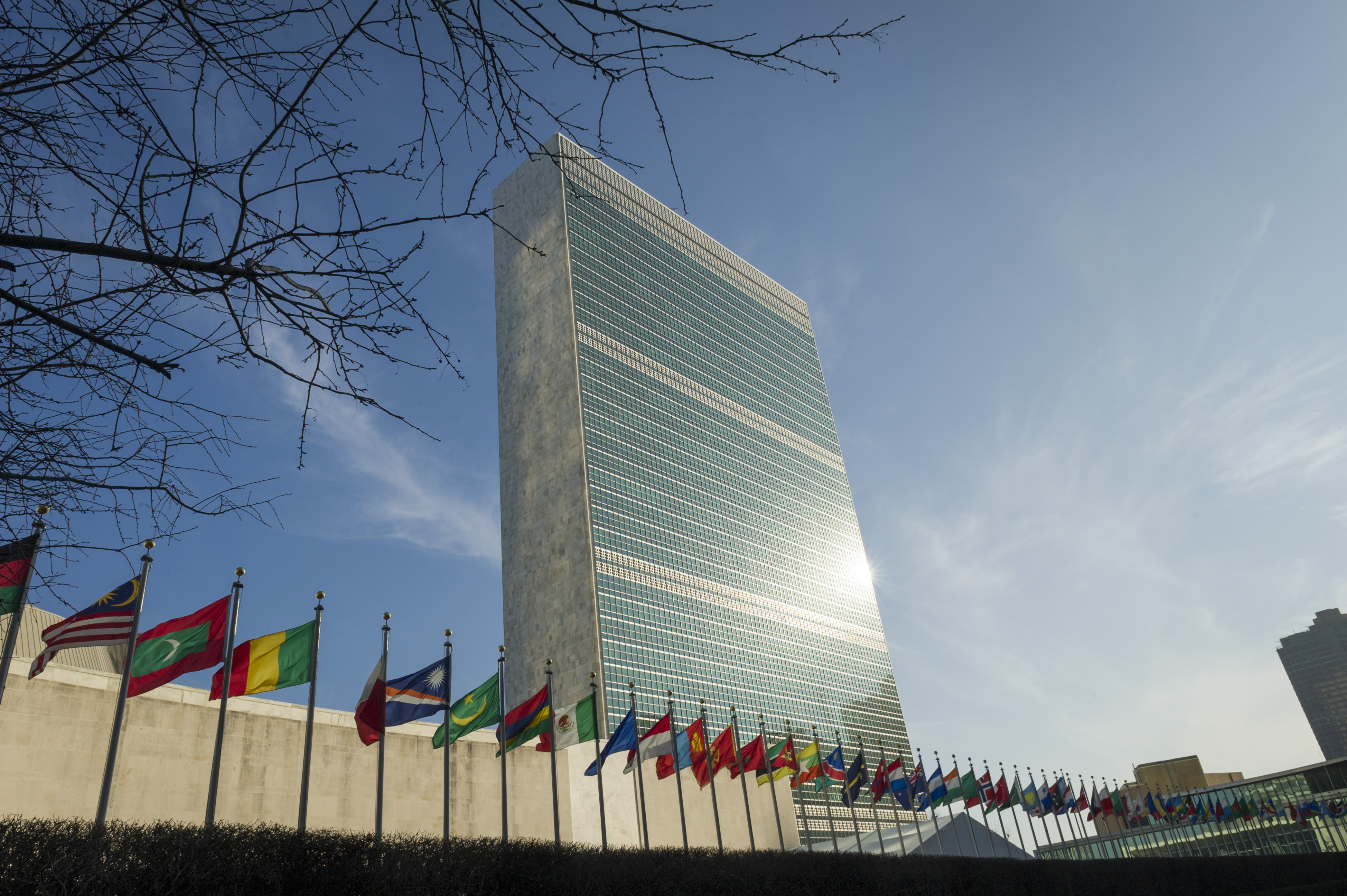
Sanda Ojiambo, CEO of the UN Global Compact, warned that retreating into short-termism is a strategic failure for companies under current pressure. Instead, the organization’s 2026–2030 strategy demands that sustainability be treated as a primary driver of competitiveness rather than a separate corporate initiative. By integrating principles into risk management and capital allocation, leaders aim to move past isolated commitments toward a unified approach that addresses climate, human rights, and the ethical integration of artificial intelligence.
The summit signaled a move toward collective, cross-sector infrastructure to overcome barriers that individual companies cannot dismantle alone. Plans for 2027 include aggregating demand and de-risking investments across global value chains, with a heavy emphasis on using procurement and financial incentives to reshape market behaviors. Speakers including Katharine Hayhoe and Erin Brockovich underscored that while individual corporate integrity remains vital, the next phase of progress depends on how effectively businesses, investors, and governments align their policies to support sustainable infrastructure and clean energy transitions.



Comments (0)
No comments yet. Be the first!