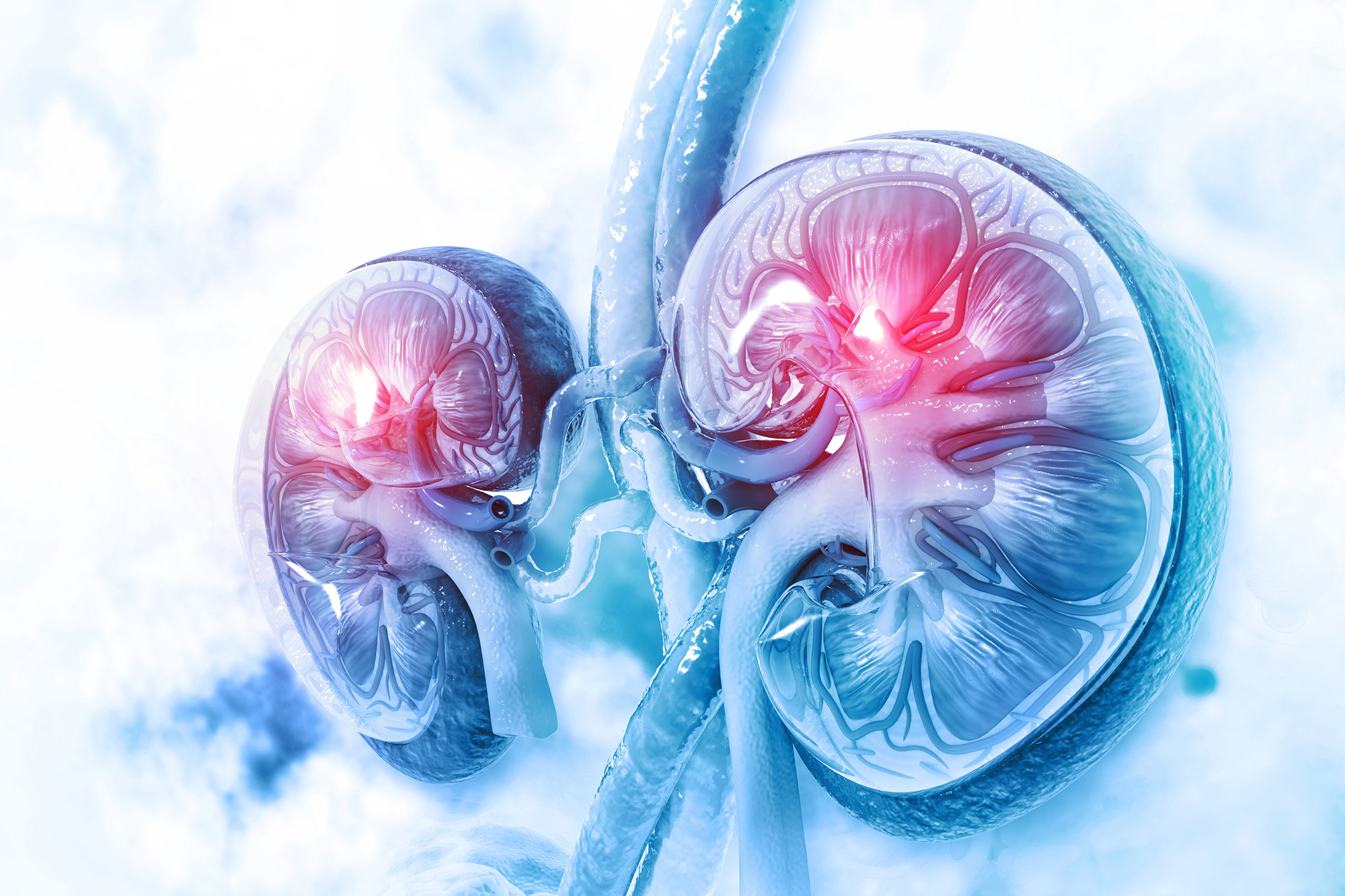
The current treatment landscape relies heavily on SGLT2 inhibitors and mineralocorticoid receptor antagonists, yet a significant portion of patients continue to see their condition worsen. To combat this, researchers are prioritizing novel modalities, including endothelin receptor antagonists and cell-based interventions. Key developments include AstraZeneca’s zibotentan/dapagliflozin combination, which showed a 52.5% reduction in protein markers in mid-stage trials, and Boehringer Ingelheim’s vicadrostat-empagliflozin pairing, which targets aldosterone pathways to reduce albuminuria.
Beyond traditional pharmacology, precision approaches are gaining traction. ProKidney’s rilparencel, a cell therapy derived from a patient's own kidney tissue, aims to stabilize eGFR levels and delay the necessity for dialysis without the need for immunosuppression. Meanwhile, Disc Medicine is targeting a niche in anemia management with DISC-0974, a monoclonal antibody designed to suppress hepcidin. As diagnosis rates rise alongside the broader adoption of combination protocols, these therapies are expected to drive market expansion through 2036 by addressing specific genetic and physiological drivers of renal decline.


Comments (0)
No comments yet. Be the first!