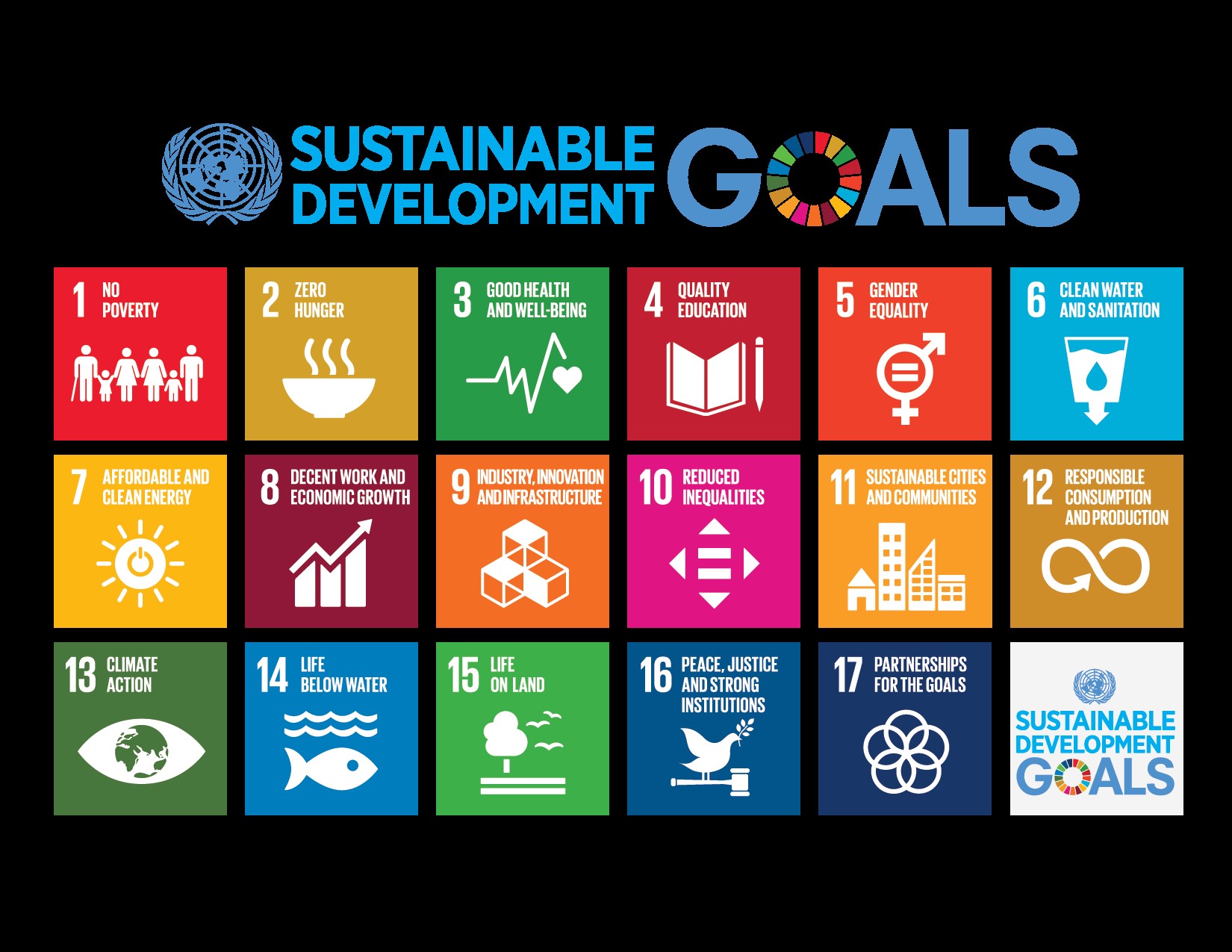
The new standard provides a structured framework for identifying priorities and measuring performance over time. By moving beyond vague commitments, it allows businesses and institutions to demonstrate accountability through a consistent, requirements-based approach. ISO Secretary-General Sergio Mujica noted that the initiative provides a common language for organizations facing pressure to show measurable progress toward the 2030 Agenda.
Developing the standard required building consensus across diverse sectors and geographic regions. Jens Heiede, CEO of Danish Standards, emphasized that the document is intentionally flexible, created to be applied by organizations of any size. Beyond immediate utility, the framework is designed to remain relevant even after the current 2030 targets are superseded by future global goals. Marcos Neto, UN Assistant Secretary-General, stated that the tool aims to embed sustainability into everyday decision-making, turning broad ambition into operational reality.



Comments (0)
No comments yet. Be the first!