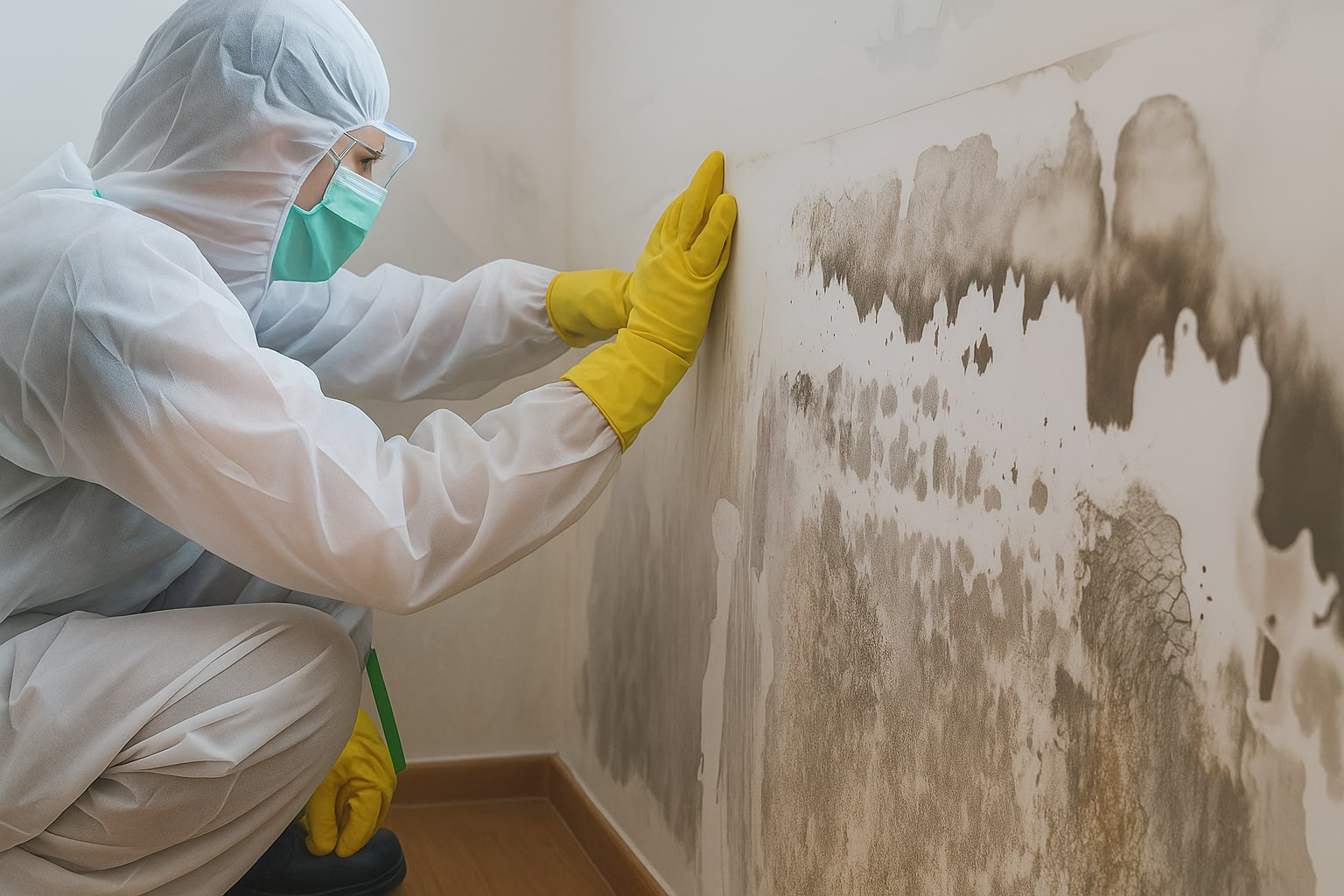
A recent HelloNation feature outlines the necessity of professional intervention when dealing with fungal contamination. Haynes emphasizes that simply scrubbing visible mold often fails to address the root cause, such as leaking pipes, plumbing failures, or poor ventilation. If these conditions remain unresolved, moisture continues to fuel growth within insulation, drywall, and subflooring, where it often goes undetected until significant damage occurs.
The remediation process involves more than cleaning; it requires a systematic evaluation of building materials. Porous items like carpeting and drywall may need removal if mold has penetrated deep into the structure. Professionals utilize specialized containment systems and air filtration units during these removals to prevent spores from circulating into unaffected areas of the home.
Protecting air quality remains a primary goal of this work. By identifying and drying out the environment, experts not only halt the spread of spores but also preserve the integrity of wood framing and other structural components. Haynes advises that early action is the most effective way to limit repair costs and ensure a home remains a safe, dry environment for its occupants.



Comments (0)
No comments yet. Be the first!