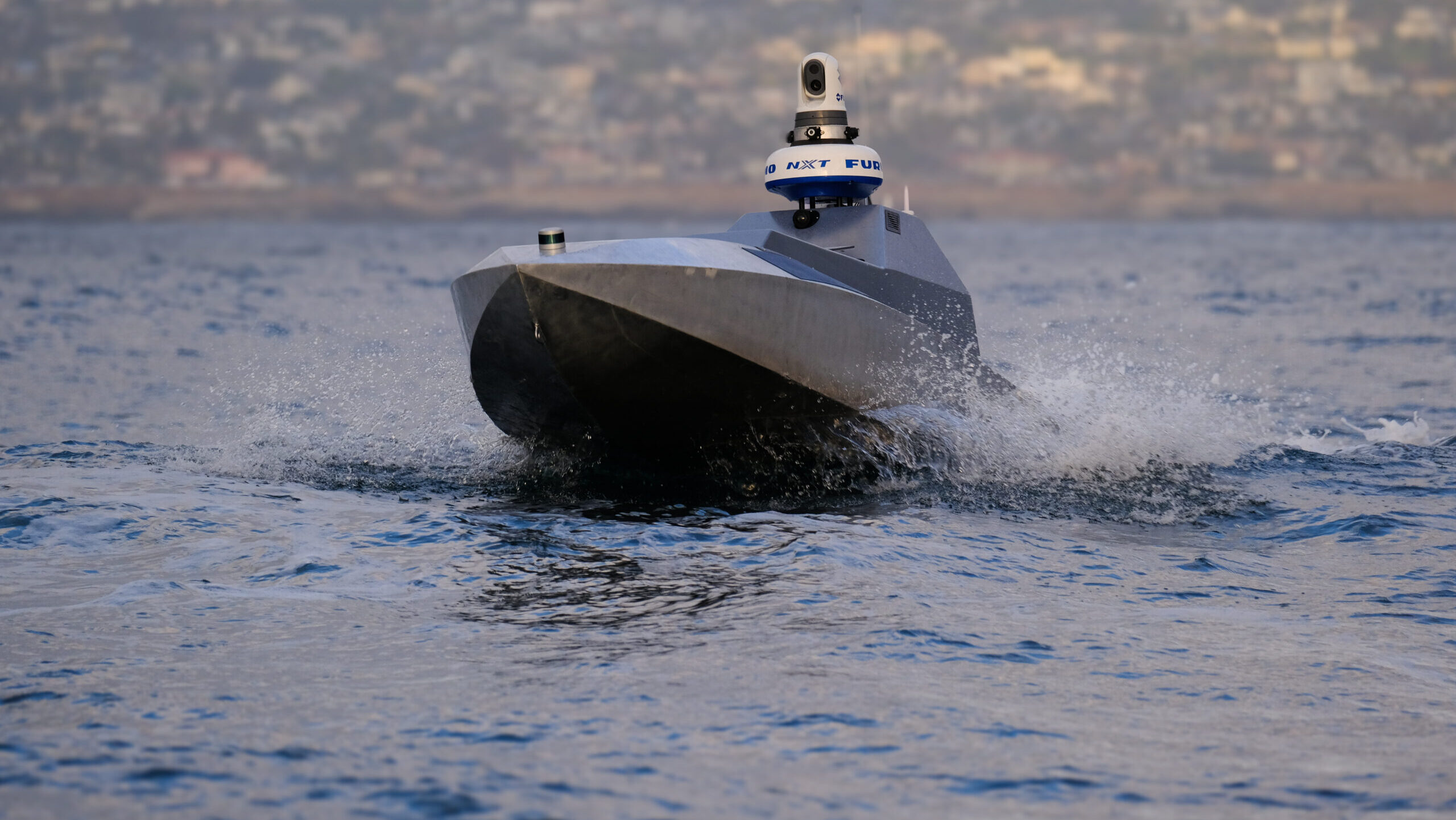
This initiative, overseen by the Office of the Assistant Secretary of War for Homeland Defense and Americas Security Affairs, scales the technology previously tested during Operation River Wall on the Rio Grande. While traditional maritime domain awareness has long been constrained by the endurance limits of crews and the high operational costs of manned cutters, the 11-foot, 340-pound Lightfish vessels offer a low-maintenance alternative. Because they are solar-powered and lack a human crew, they can remain on station for months, providing a continuous data stream that replaces sporadic patrols with a persistent surveillance fence.
Seasats CEO Mike Flanigan noted that the Gulf’s vast expanse makes it impractical to rely solely on crewed hulls, which are limited by fuel and personnel endurance. The current deployment utilizes a modular design, allowing the vessels to be equipped with various payloads, including electro-optical cameras, infrared sensors, and sonar. Assistant Secretary of War Mark R. Ditlevson emphasized that the move is part of a broader push to achieve total operational control of U.S. borders by integrating mature, scalable commercial technologies into homeland defense missions. Headquartered in San Diego, Seasats currently holds over $100 million in government contracts, signaling an increasing reliance on autonomous systems for national maritime security.



Comments (0)
No comments yet. Be the first!