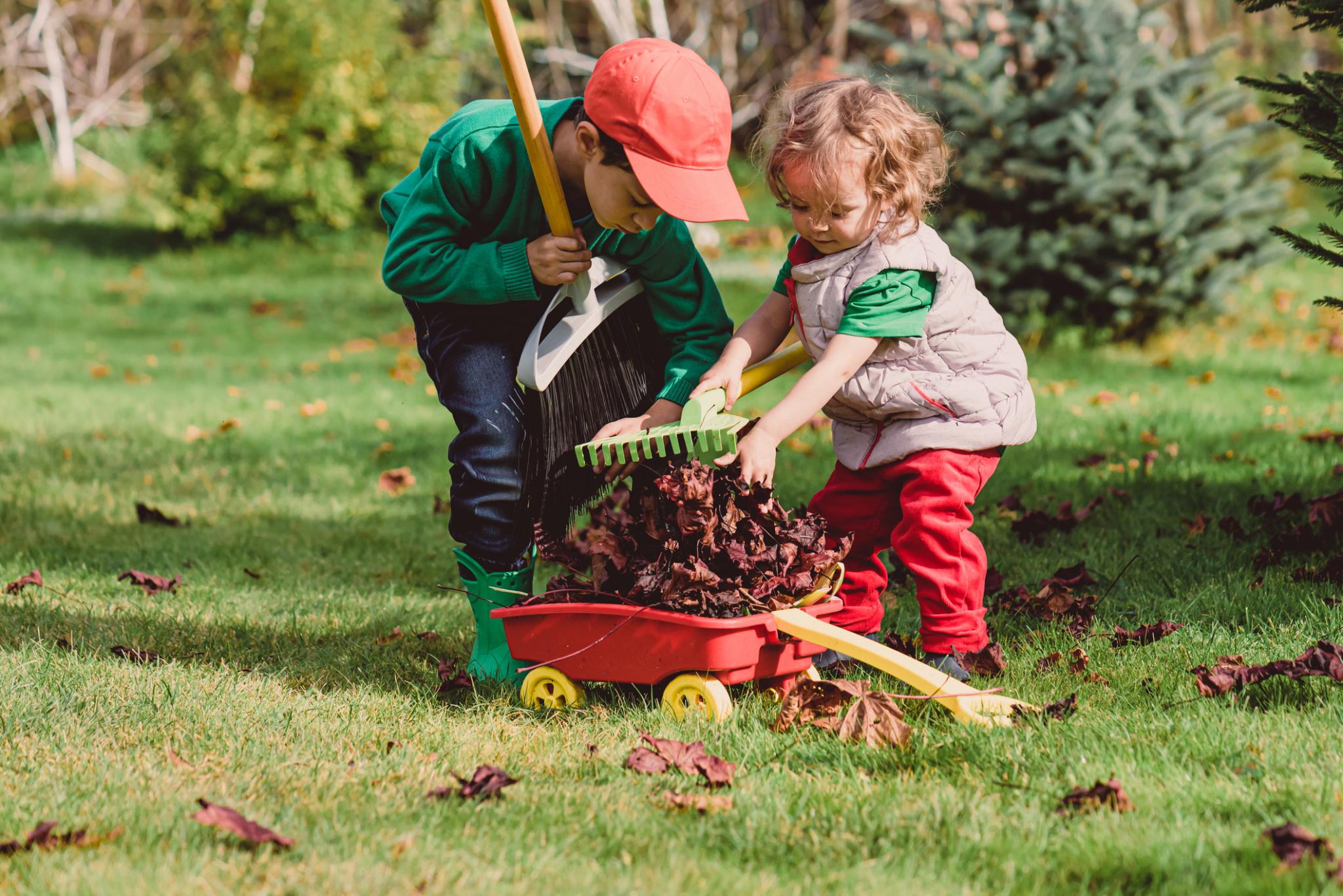
Kris Kiser, President and CEO of the foundation, argues that fall provides a unique window for planting and pruning, which serves as an ideal backdrop for children to learn how ecosystems function. When students study the life cycles of trees and grasses, they form a deeper connection to nature that helps foster long-term environmental responsibility.
To facilitate this, the organization suggests four practical approaches. Families can use the USDA Plant Hardiness Zone Map to teach children about regional flora, ensuring they select plants that thrive in local microclimates. Beyond the backyard, visiting public parks—which 89 percent of Americans now consider a top community priority—offers a chance to discuss the value of shared green spaces through hikes or clean-up events. The foundation also provides a digital STEM curriculum designed for elementary and middle schoolers, covering topics like soil health, biodiversity, and carbon sequestration. Finally, simple chores such as grasscycling—the practice of leaving mulched clippings to nourish the soil—can serve as tangible demonstrations of environmental conservation.



Comments (0)
No comments yet. Be the first!