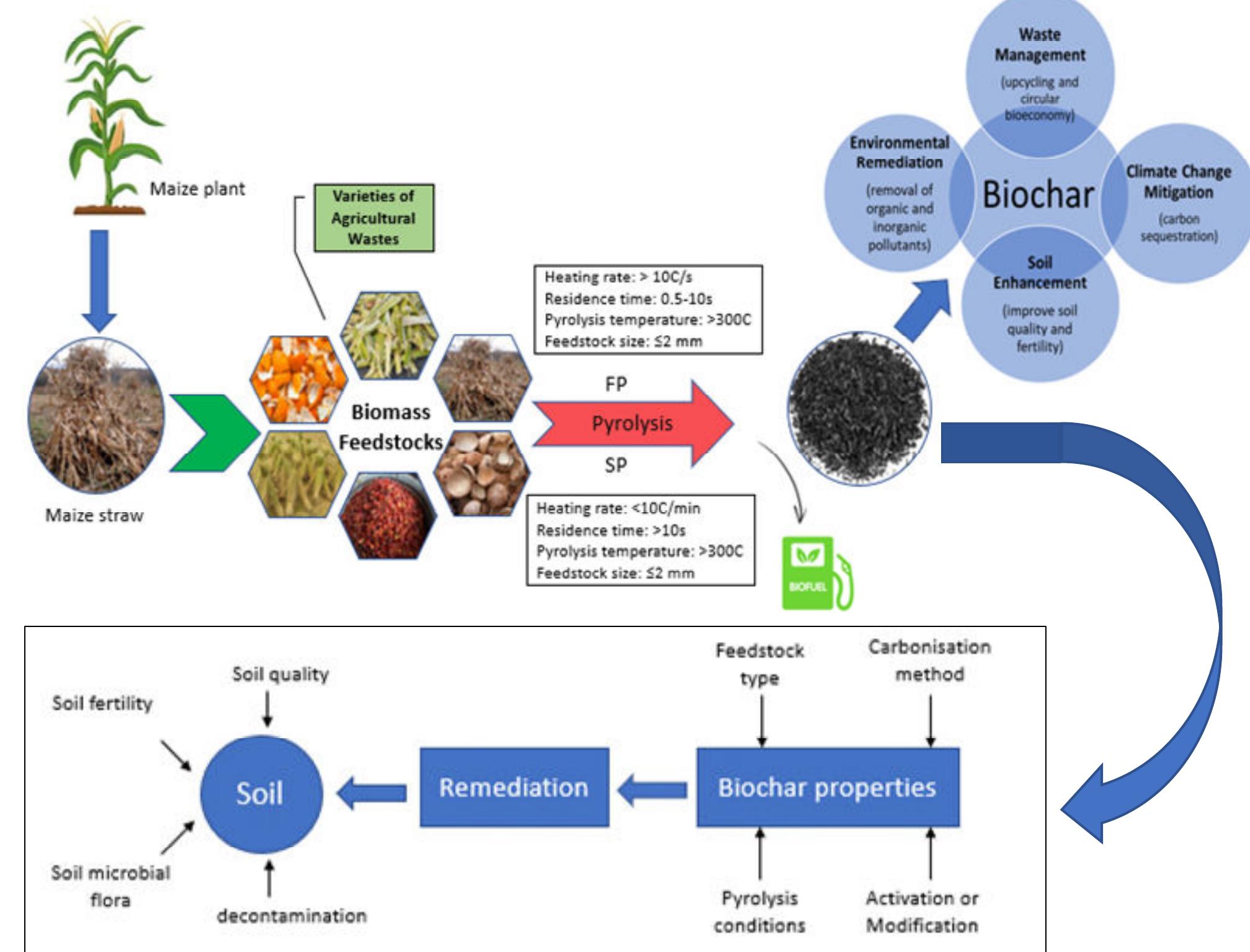
The trial utilizes a specialized, high-temperature biochar designed to tackle the persistent environmental damage left by decades of industrial activity. Unlike standard remediation methods that rely solely on natural microbial breakdown, Myno’s liquid formulation works by adsorbing hydrocarbons while simultaneously creating a hospitable environment for specialized microorganisms. By producing the biochar at temperatures between 900°C and 950°C, the company achieves a high-porosity material that mirrors the performance of activated carbon, offering a more durable solution for long-term land recovery.
Beyond simply sequestering contaminants, the technology focuses on regenerating soil health. The liquid application method allows for more uniform distribution across treatment sites compared to traditional granular alternatives, reducing dust and improving integration with existing landfarming equipment. According to Myno Carbon CEO Thor Kallestad, the goal is to shift the industry standard from basic pollution management toward active ecosystem restoration. Early results from the trial suggest that this dual-action mechanism could significantly compress the timelines required to return impacted land to a productive state.



Comments (0)
No comments yet. Be the first!