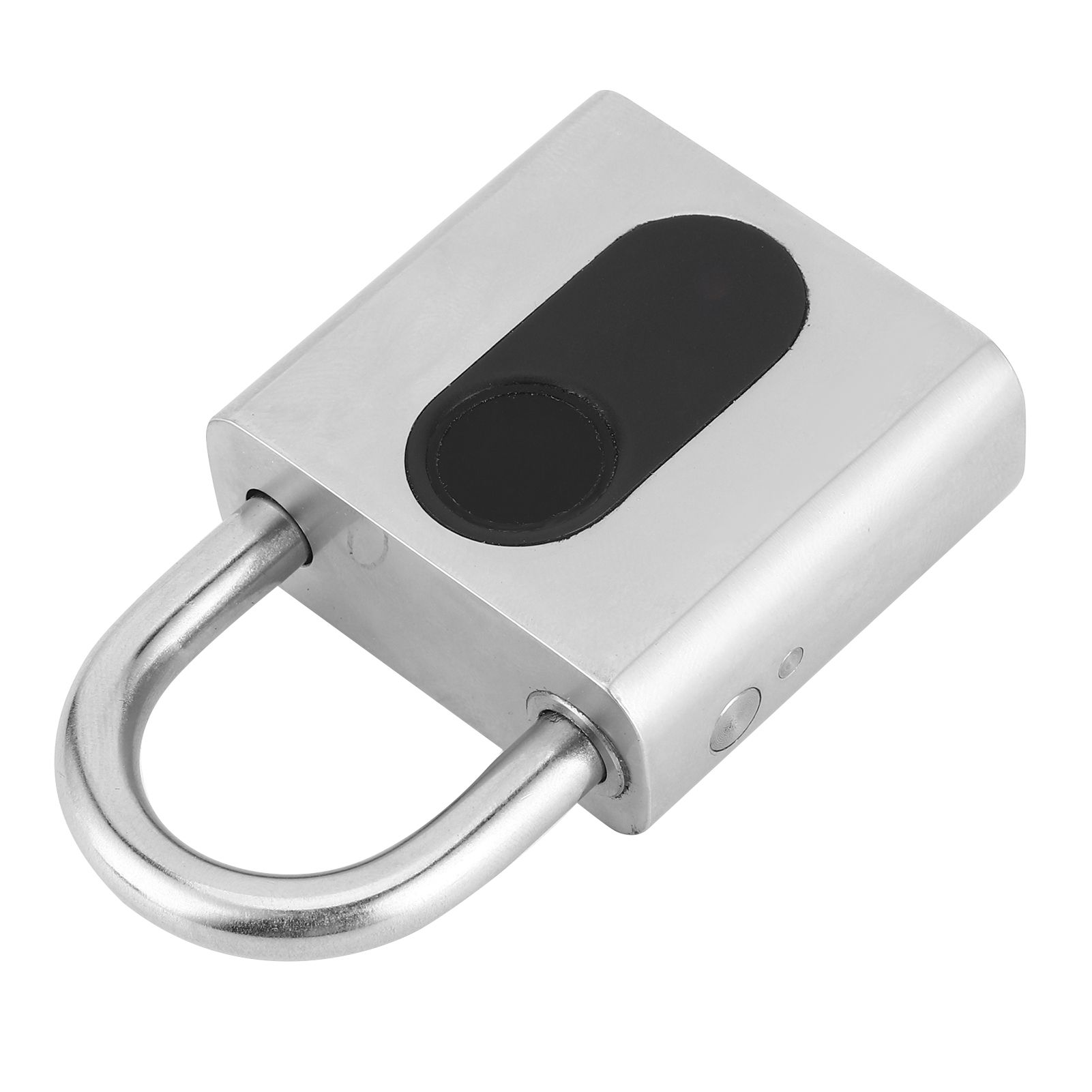
Mechanical keys have long been a weak point in retail security. When keys are lost or staff turnover occurs, companies face the recurring expense of replacing locks or the security risk of unauthorized duplication. Digital systems bypass these issues by centralizing control, allowing managers to grant or restrict entry across multiple locations from a single interface. This granular permission structure ensures that staff access is limited strictly to the areas necessary for their roles, such as distinguishing between shop floor access and sensitive stockroom entry.
Technological innovation is also reducing the environmental and operational burden of these systems. Some modern padlocks, for instance, operate without batteries by harvesting the power generated during the unlocking process. For multi-site chains, firms like iLOQ are gaining traction by offering scalable, mobile-enabled platforms that integrate into existing IT infrastructure. Because these systems log every event, they provide retailers with an invaluable audit trail, transforming access control from a static security measure into a dynamic operational tool that adapts to the complexities of modern commerce.



Comments (0)
No comments yet. Be the first!