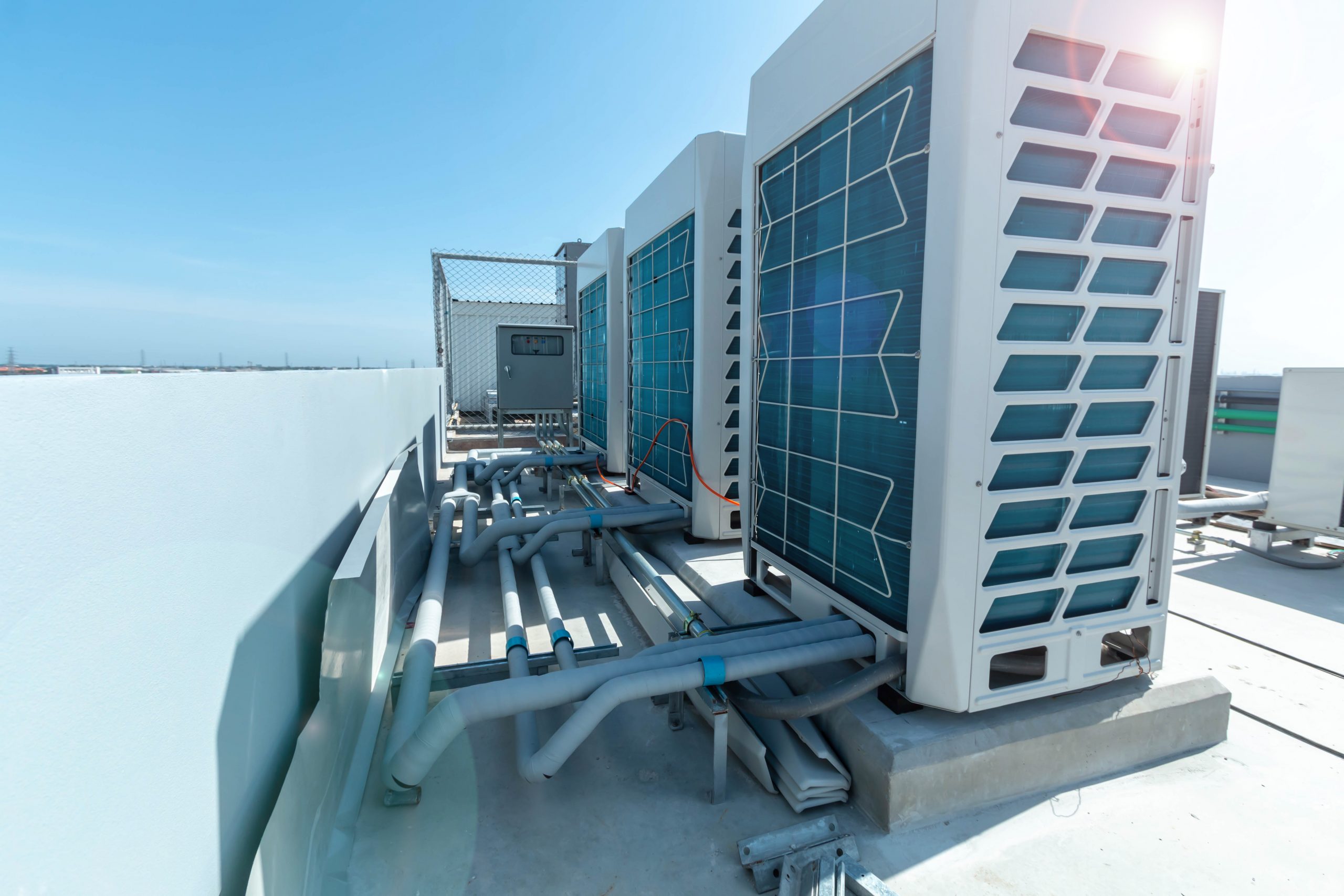
Unusual noises often serve as the first red flag. Mechanical wear or airflow obstructions frequently manifest as clicking, banging, or grinding sounds within a furnace or air conditioner. Similarly, uneven indoor temperatures suggest underlying issues like clogged filters or damaged ductwork that, if ignored, accelerate component failure.
Energy consumption provides another clear metric for system health. A sudden, unexplained spike in utility bills typically signals that a unit is overworking due to inefficient parts or neglected maintenance. This strain is compounded by frequent cycling, where a system turns on and off rapidly, prematurely exhausting its operational lifespan.
While most systems remain functional for 10 to 20 years, age remains the ultimate arbiter of performance. Older units often struggle to meet modern efficiency standards, making expensive, repeated repairs less cost-effective than a total replacement. Routine annual inspections remain the most reliable method for catching refrigerant leaks or electrical faults before they escalate into emergency service calls.


Comments (0)
No comments yet. Be the first!