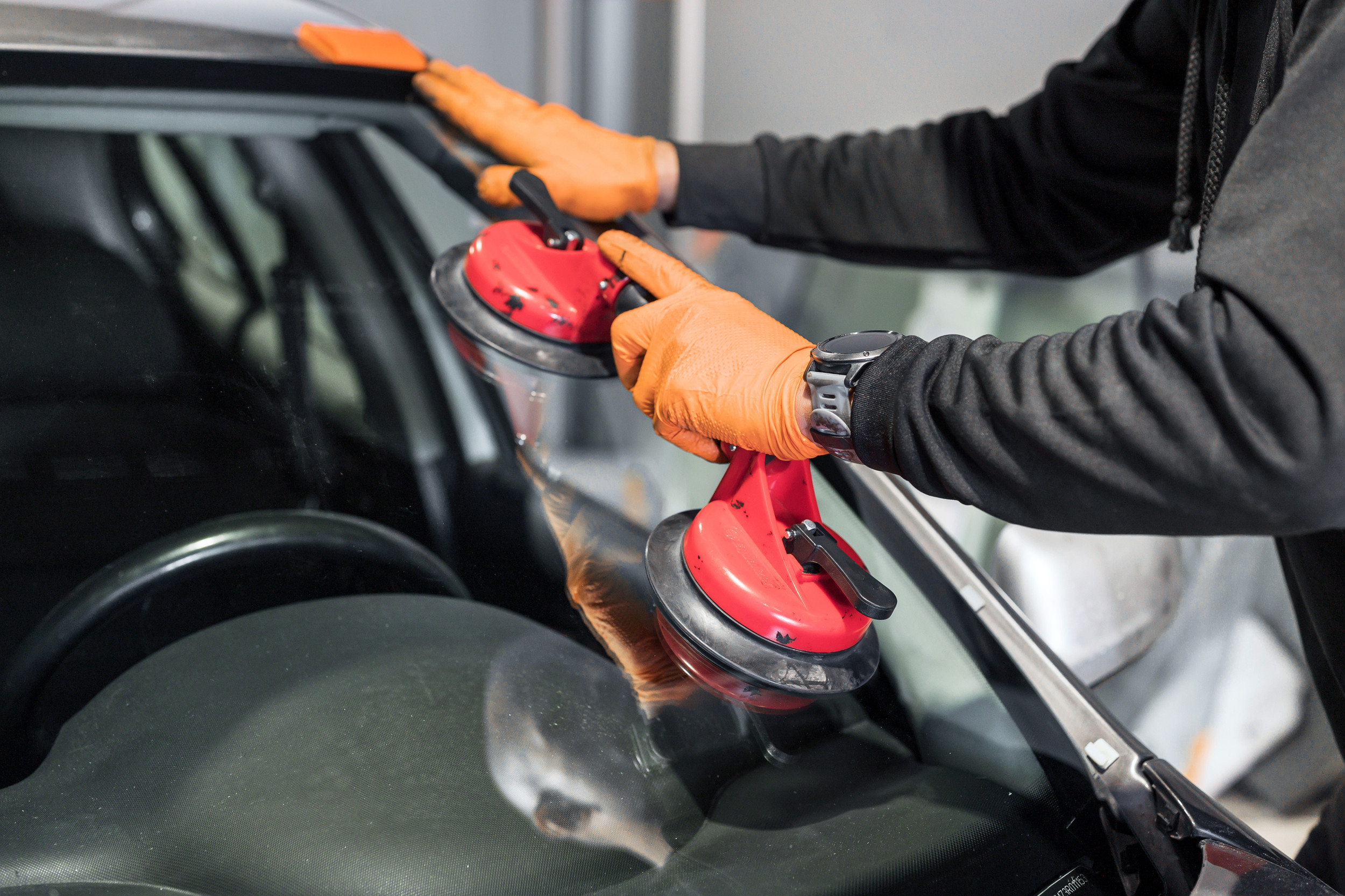
OEM windshields are manufactured to the exact specifications of the original glass, matching the precise thickness, curvature, and optical clarity required by the vehicle manufacturer. This consistency is vital for modern vehicles equipped with Advanced Driver Assistance Systems. Cameras and sensors mounted behind the glass rely on high-quality optics to function correctly; even minor deviations in the glass can lead to calibration errors in lane departure alerts or collision detection features. While OEM glass provides a seamless fit that minimizes risks of wind noise or leaks, it generally commands a higher price point due to stringent quality control.
Aftermarket options, including Original Equipment Equivalent (OEE) glass, offer a more budget-friendly alternative. Reputable aftermarket manufacturers often meet or exceed industry safety standards, providing a reliable substitute for factory glass. However, the market is not uniform. Lower-tier aftermarket products may lack the precise contours of OEM glass, potentially complicating installation or affecting the performance of electronic sensors. Regardless of the glass grade chosen, professional installation and post-replacement calibration remain non-negotiable. Proper alignment ensures that safety systems interpret road conditions accurately, preserving the technology designed to protect the driver. Ultimately, owners must weigh these technical performance factors against budget constraints and insurance coverage requirements when selecting their replacement.
.JPG?format=webp&width=1200&height=630)


Comments (0)
No comments yet. Be the first!