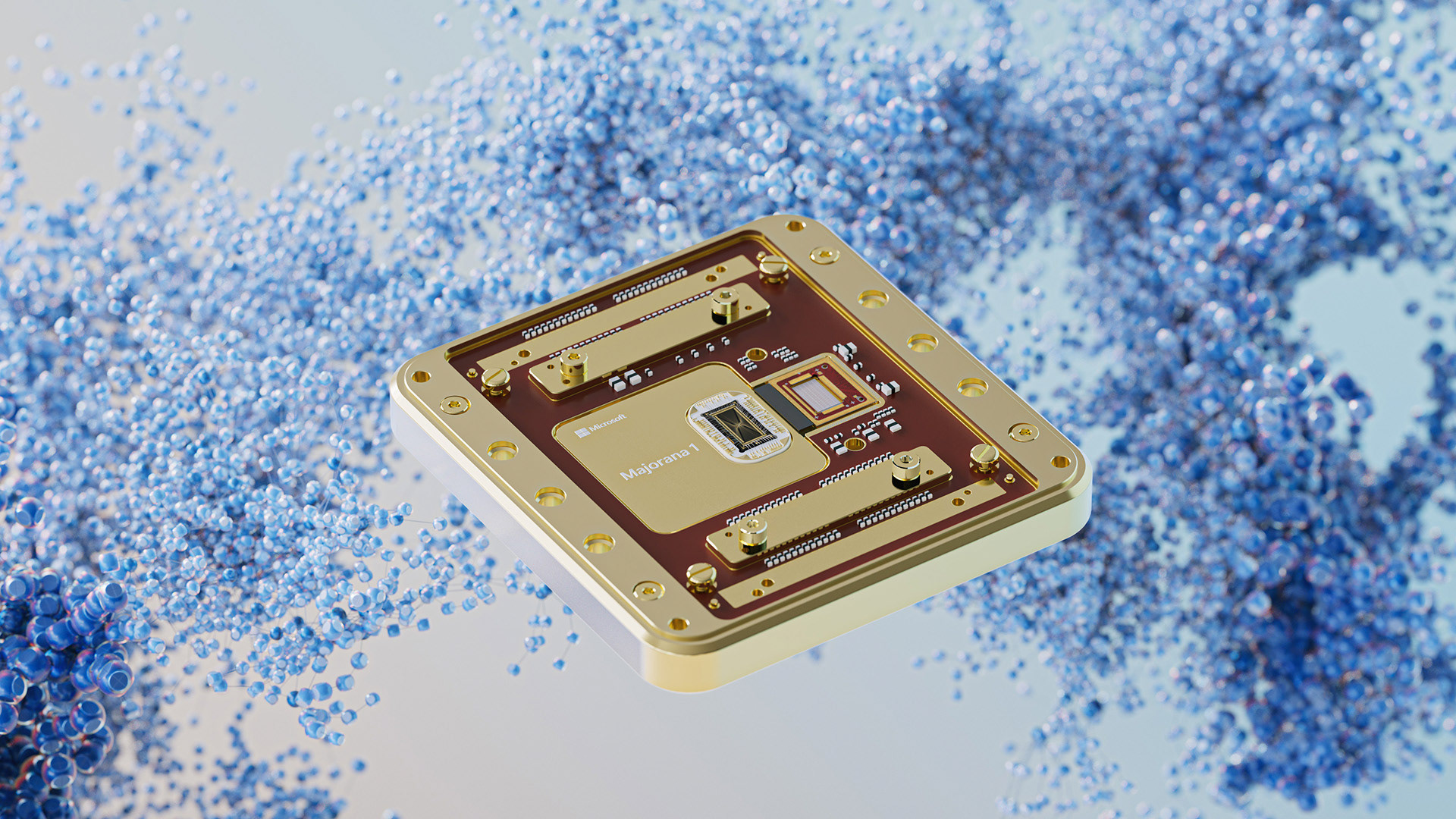
For decades, the electron-on-helium (eHe) approach existed primarily as a theoretical promise. While major tech players like IBM and Google have poured billions into superconducting circuits and ion traps, they remain constrained by scaling hurdles that prevent systems from reaching the millions of qubits required for commercial utility. EeroQ’s latest demonstration provides the fundamental building block needed to manipulate and read out information within an eHe system, potentially bypassing these traditional bottlenecks.
This architecture leverages CMOS technology—the same manufacturing process used for standard smartphone chips—which could allow for more rapid and cost-effective scaling than current alternatives. According to CEO Nick Farina, the achievement is merely the inaugural step toward utilizing the electron’s spin magnetism. The company expects this spin-based approach to deliver superior coherence times, addressing the persistent trade-off between qubit quality and system size that has long hindered the industry.


Comments (0)
No comments yet. Be the first!