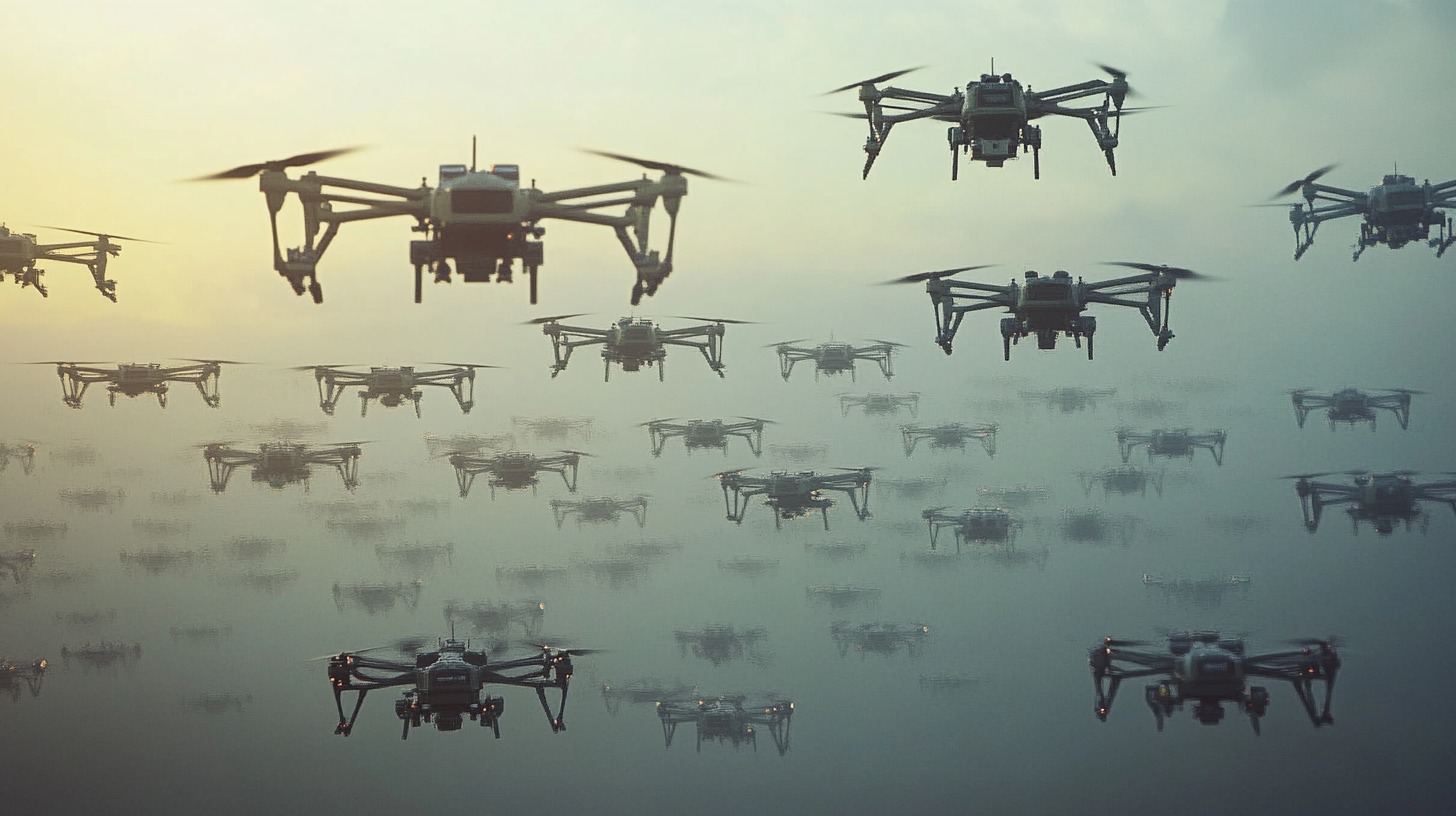
The platform leverages intellectual property acquired from SkyStage, a commercial firm previously focused on high-volume synchronized drone operations. By adapting this software for defense, Rocket One aims to provide realistic environments for testing counter-swarm detection, multi-vector incursions, and adversarial AI scenarios. CEO Robb Knie noted that as autonomous systems become cheaper and more coordinated, they have emerged as a primary disruptive force in modern warfare.
Beyond terrestrial defense, the company intends to integrate this technology into its broader roadmap for the space economy. Rocket One is currently prioritizing three strategic pillars: autonomous swarm defense, radiation-tolerant computing, and nanomagnetic AI hardware. These efforts are expected to support future applications ranging from distributed orbital systems to next-generation space-security architectures, positioning the firm to address the intersection of autonomous systems and space-domain awareness.



Comments (0)
No comments yet. Be the first!