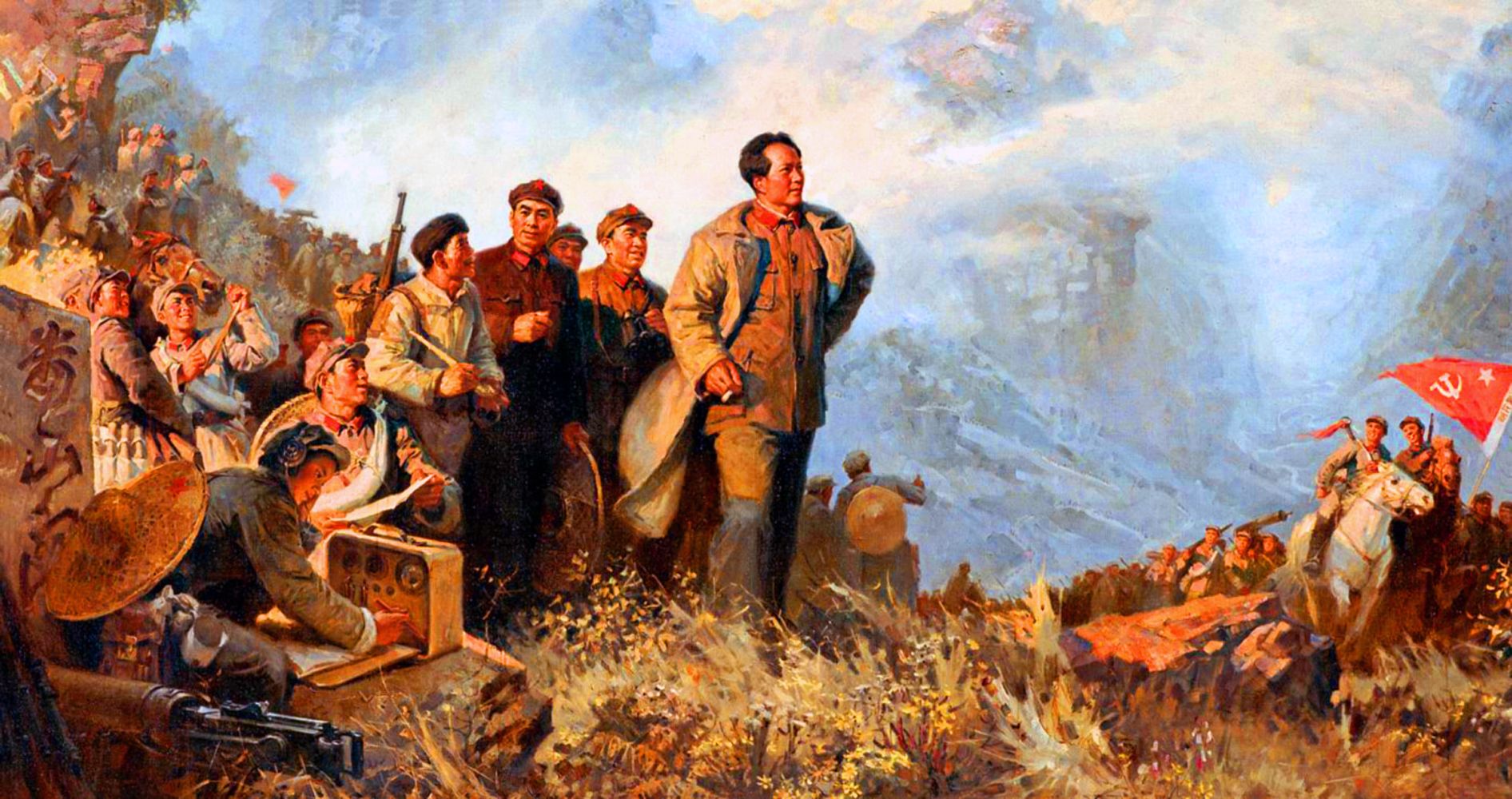
The Long March, a 12,500-kilometer trek undertaken by the Chinese Workers' and Peasants' Red Army between 1934 and 1936, remains a defining chapter in modern Chinese history. For Harris, who first walked segments of the path in 2016, the experience evolved from a journalistic assignment into a deeper exploration of how historical memory shapes contemporary society. Throughout his travels in Sichuan, he encountered the legacy of the Red Army not merely in monuments, but in the hospitality of local communities and the integration of historical preservation with modern environmental stewardship.
His journey reached high-altitude terrain, including elevations near 4,000 meters on Jiajin Mountain and a climb of over 600 steps at the Red Army Long March Monument Memorial Park. These physical challenges provided a visceral connection to the hardships endured by the original soldiers. Beyond the historical sites, Harris engaged with local Tibetan culture and visited the Chengdu Research Base of Giant Panda Breeding, highlighting a blend of revolutionary history and modern ecological conservation. By fostering dialogue over distance, he argues that the spirit of the march—defined by perseverance and unity—offers a universal lesson on human dignity that transcends national borders.



Comments (0)
No comments yet. Be the first!